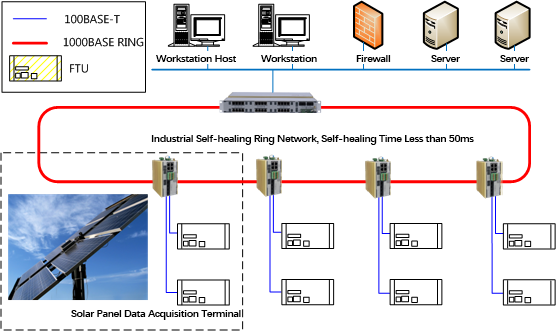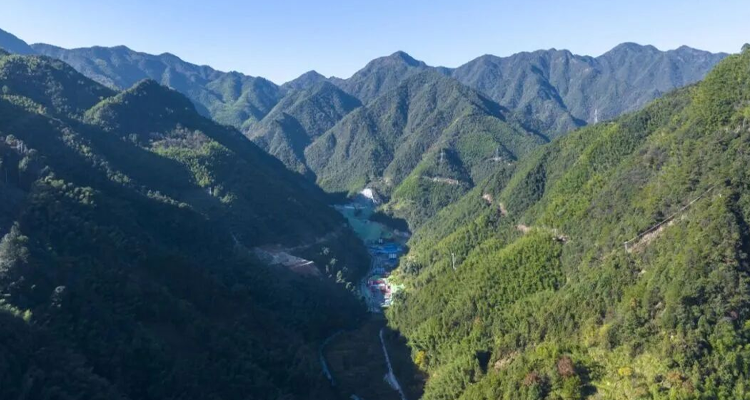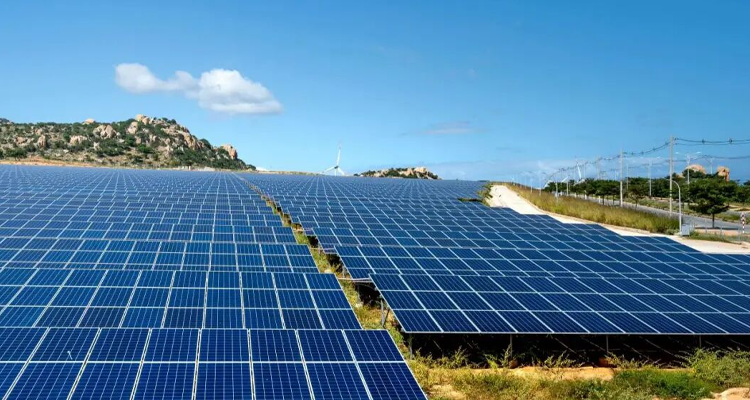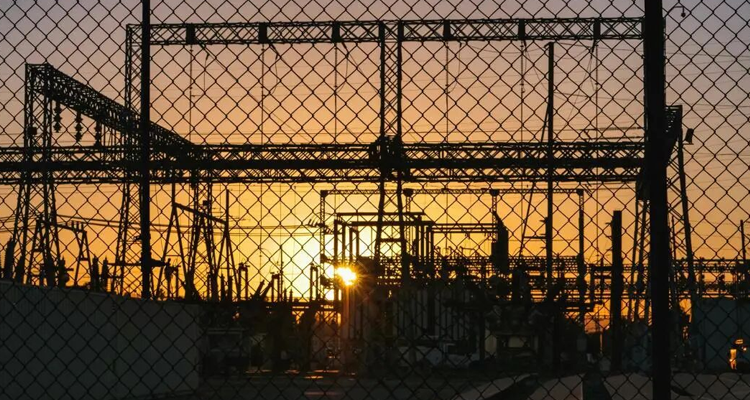
Driven by the global energy transition and China’s “dual carbon” goals, clean energy bases – including PV power plants and wind farms – are accelerating their shift toward digitalized and intelligent operations. However, these sites are often located in remote deserts, barren lands, mountains, or offshore areas, presenting vast geographic distribution, harsh environmental conditions, and difficult O&M. This imposes extreme demands on communication networks in terms of environmental adaptability, long‑term reliability, and remote management capabilities. MRD™ deeply integrates industrial Ethernet technologies to deliver a full‑link communication solution covering everything from PV arrays / wind turbine towers, step‑up transformers, and substations to the central control center. Certified by authorities such as CEPRI and SGRI, our products are built with industrial‑grade ruggedness validated in extreme environments – helping clean energy operators build smart renewable energy sites with minimal on‑site attendance and efficient O&M.
Unlike typical industrial sites, PV and wind farm communications face four unique challenges:
1. Extremely harsh environment
The equipment is deployed in households or without protection cabinets, and is subjected to high and low temperature alternation, wind, sand, salt spray, mold, and strong thunder and lightning throughout the year. The life of ordinary commercial equipment is extremely short.2. Node dispersion, long-distance transmission
The photovoltaic area covers several square kilometers, the fan spacing is hundreds of meters, and the optical fiber wiring is this high, which needs to support chain type, star type, etc. Flexible topology.3. Severe EMI
Fan inverters, photovoltaic inverters, and step-up transformers produce strong EMI, requiring equipment to have EMC 4A and to withstand disturbances.4. Difficulty in operation and maintenance, making this expensive
The station is remote, the fault repair time is long, the equipment needs to have power down alarm, remote status monitoring, etc. Easy to maintain features.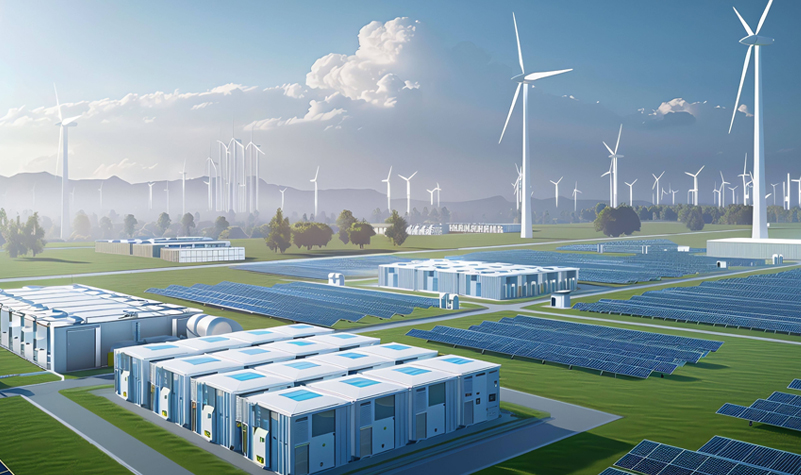
Terminal Access—Plant Aggregation—Backbone Core tiers covering full PV scenarios.
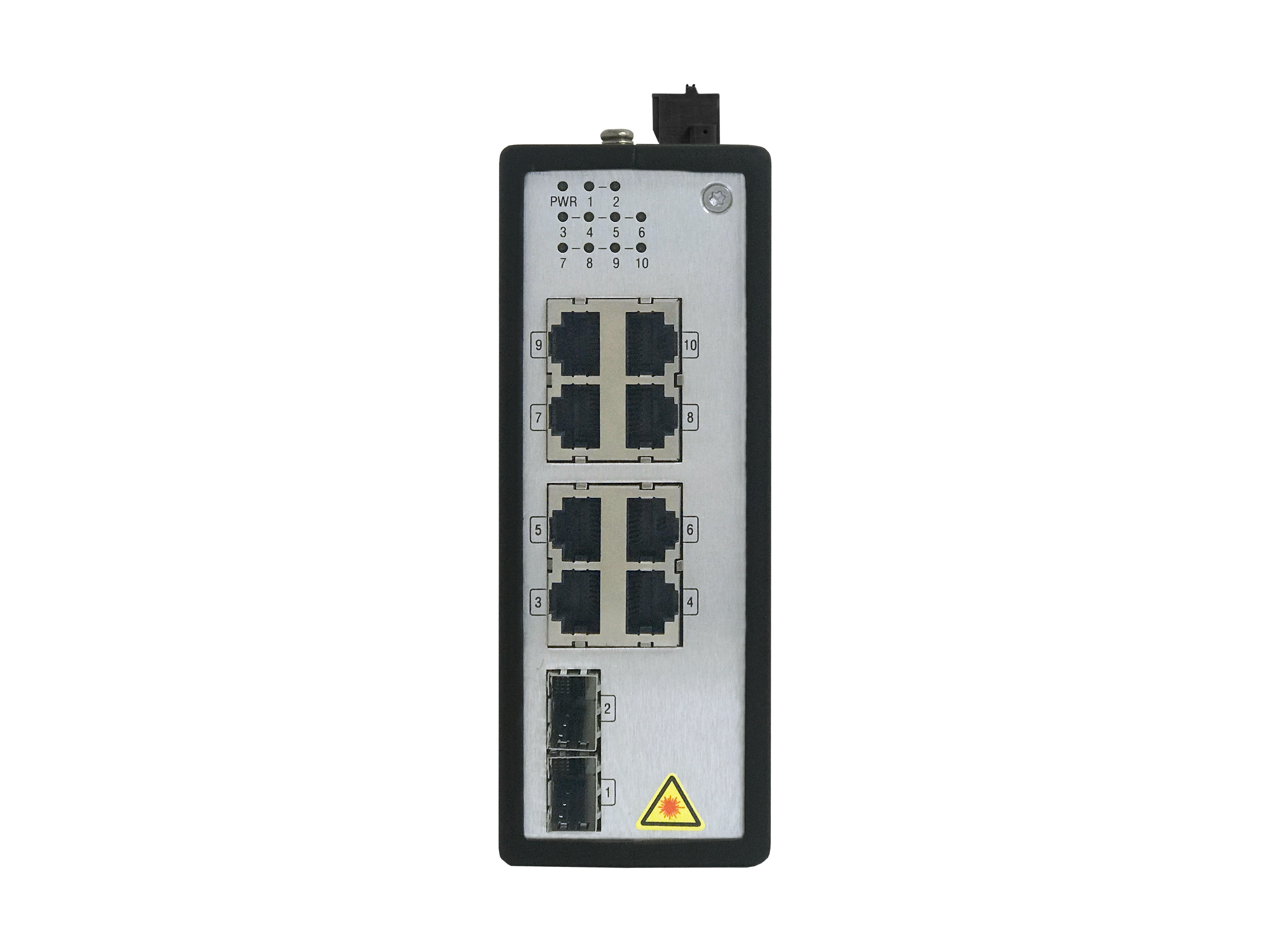
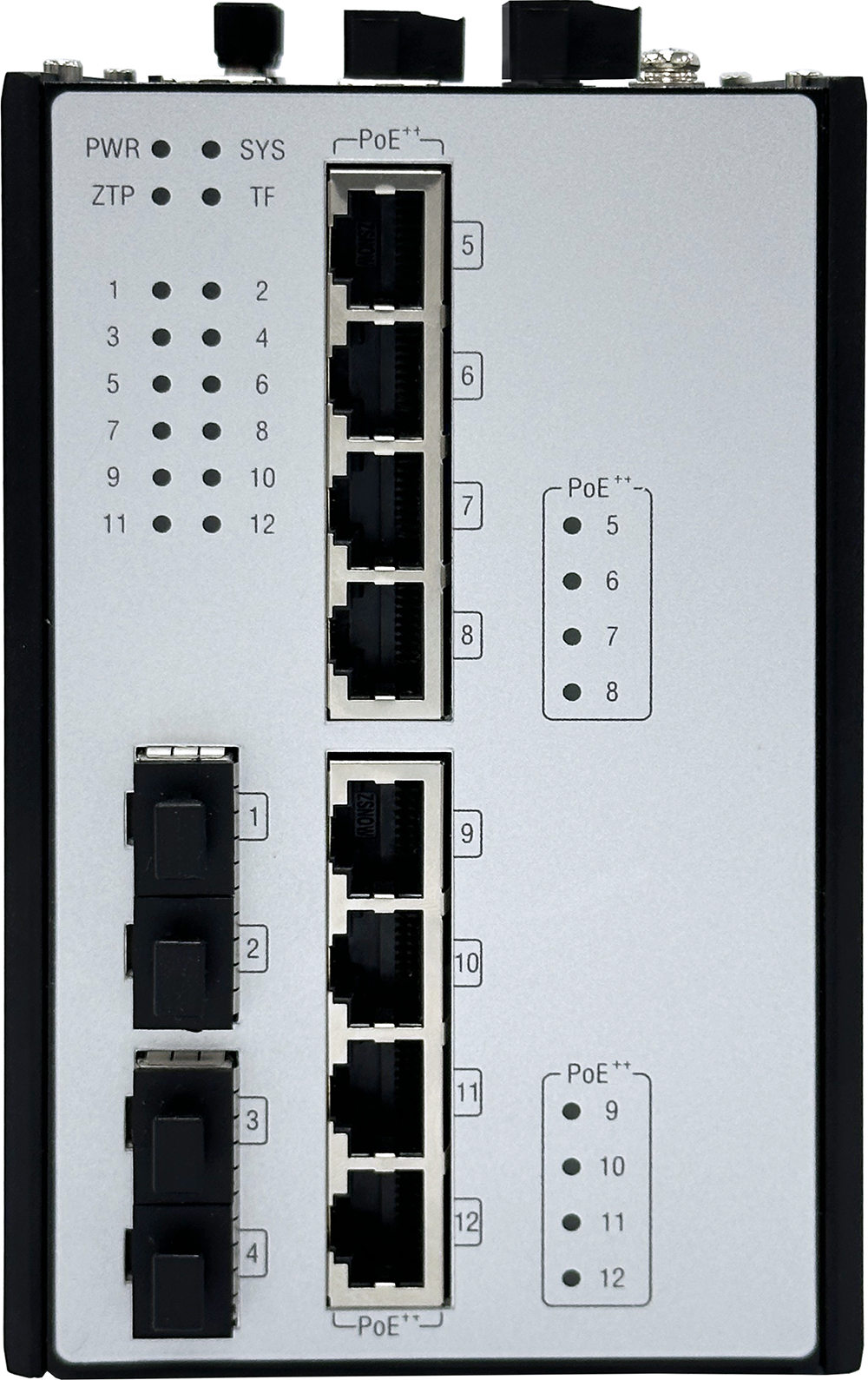
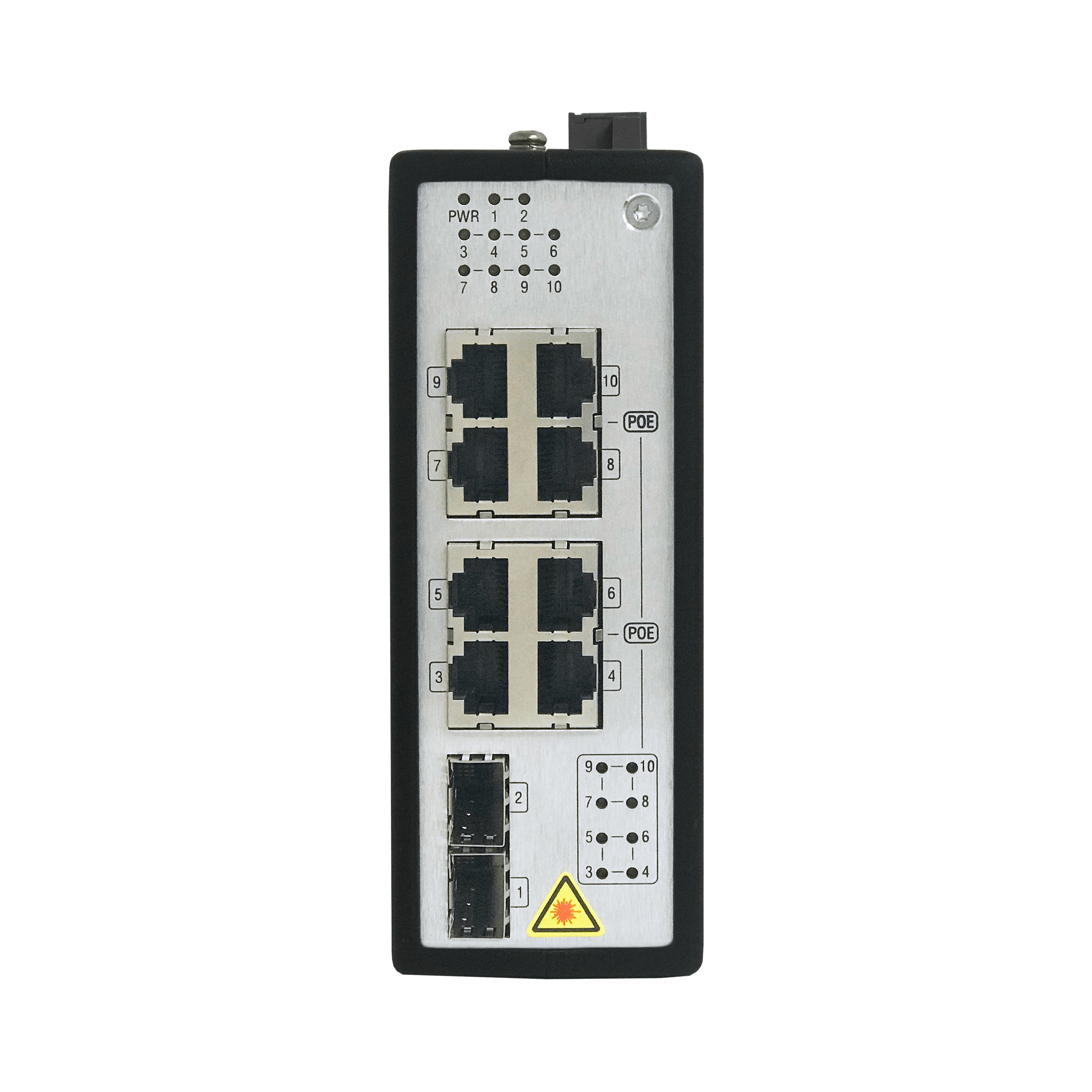
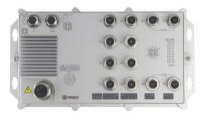
20 Gbps backplane; PoE per IEEE 802.3af/at; up to 30 W per PoE port; fanless; operating temperature -40°C to +75°C
More| Products | Critical capability | Sort | Descriptions |
|---|---|---|---|
| TCC4100 series railway train on-board industrial switch | Supports Ethernet ring network function based on MRD-Ring ® technology, nodes self-healing time under 5 milliseconds, ring network self-healing time under 50 milliseconds (typical value) Supports IEC-based... | eth-poe | See product details |
| TCC4100 Series Railway Train Car IP54IP67 Switch | Supports up to 8 PoE ports Supports Ethernet ring function based on MRD-Ring ® technology, supports multiple self-healing rings, nodes self-healing time under 5 milliseconds, ring network self-healing when... | eth-poe | See product details |
| TOM1000 series weak Layer-3 industrial switch | Support port-based VLAN, IEEE 802.1Q VLAN and GVRP support QoS (IEEE 802.1P/1Q… | eth-l3-mgt | See product details |
| TOM1000 series generic unmanagedindustrial switch | Backplane bandwidth for 20Gbps supports PoE power supply, supports IEEE 802.3af/at standard maximum output power per PoE port... | eth-unmanaged | See product details |
Every solution is built on relentless pursuit of product fundamentals. We disclose the following design details for the most demanding engineering review:

MTBF (Mean Time Between Failures)
Device-level stress prediction based on the SR-332 algorithm; system MTBF exceeds one million hours.
Service Life
Not only datasheet ratings—measured estimates based on electrolytic capacitor capacitance fade at minimum operating parameters @ operating temperature.
Tested by CEPRI/SGCC EPRI/CSG EPRI to SGCC Class-A and related type tests; wide-temp/dust/EMC ready; optional coating and BYPASS.

Fits PV/wind farms and mature use in smart substation monitoring, transmission-line condition monitoring, and plant DCS field networks.

Deployed across 20+ provincial grids and five major generation groups; nearly 100,000 units including large new-energy and AMI projects in Gansu, Zhejiang, Guizhou, Ningxia, and Hubei.

SR-332 MTBF and lifetime assessment; critical details ensure long life in complex power environments from the source.
Hotline: 86-21-58330762
Zip: 201203
Email: sales@mrdcom.net
Address: No.123 Curie Road, China (Shanghai) Pilot Free Trade Zone




Copyright 2026 MRD Co LTD . All Rights Reserved Shanghai ICP No.12035199

Follow Terminal Access—Plant Aggregation—Backbone Core tiers to aggregate data to the control center efficiently, securely and reliably.
Scenario features:Deployed in photovoltaic group strings, combiner boxes, fan towers, box transformers, etc. The most extreme, compact space, and the harshest environment.
Fiber optic transceivers (TOM1000 series):provides 1 Optical 1 Electrical/1 Optical 2 Electrical (Fast Ethernet/Gigabit) model, supports surface mounting and card mounting, and is used for minimalist optical access of end-to-end single-point devices.
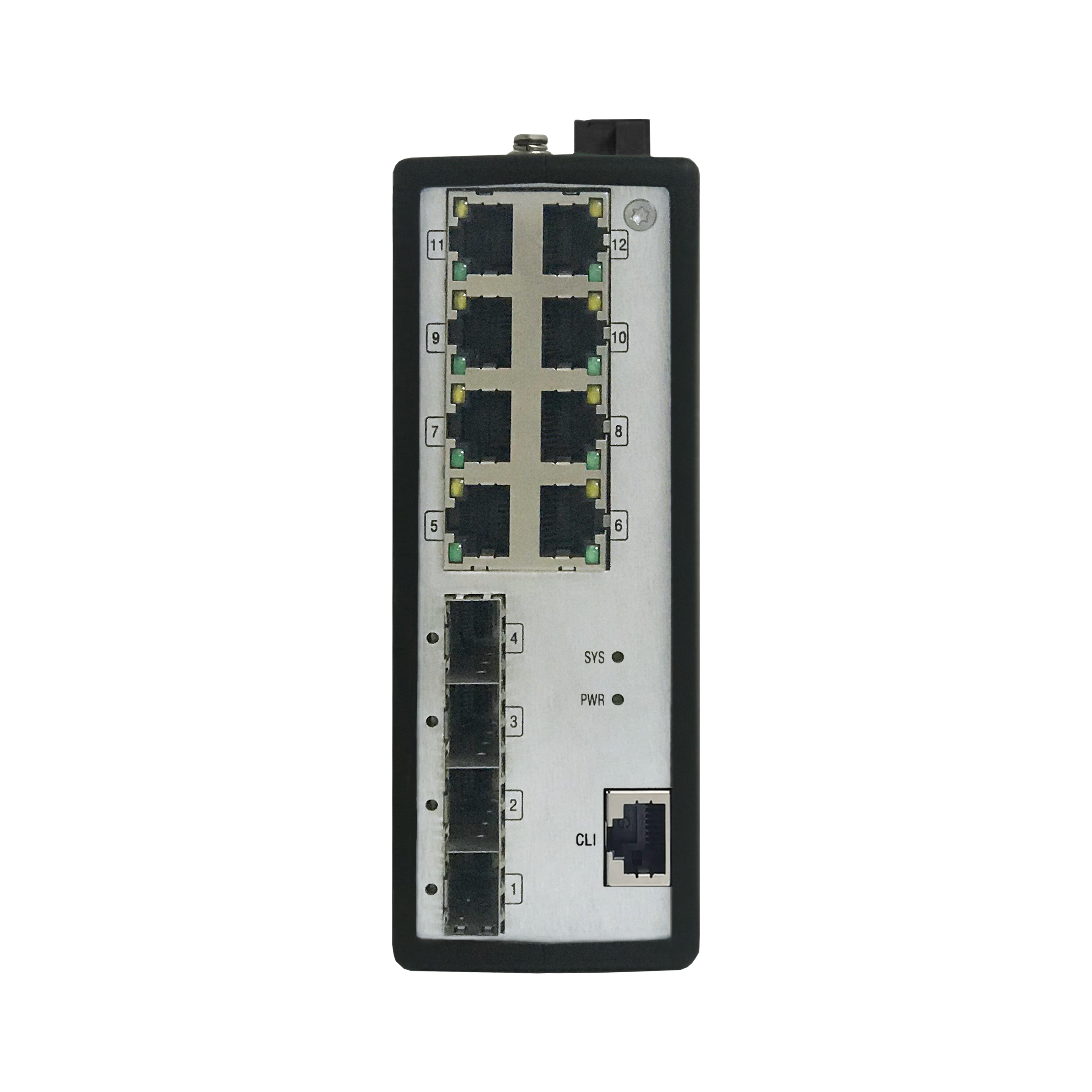
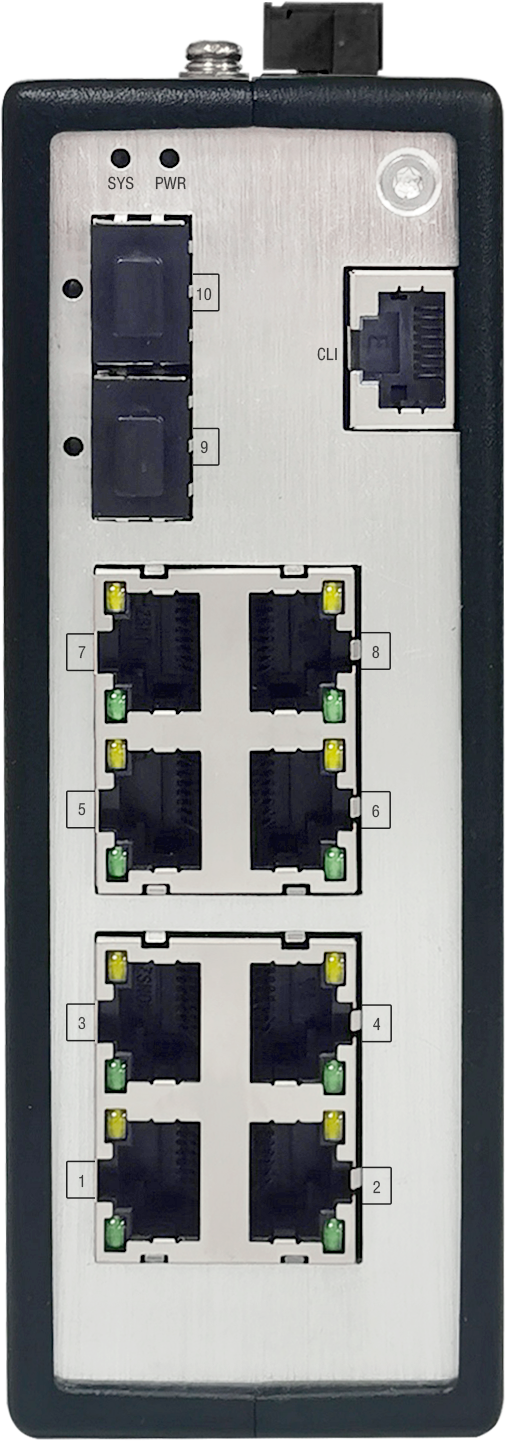
Entry-level Din-Rail switches (TOM1000 series):provides 4/8/16 copper port, can choose PoE power supply, SFPfiber port or full Gigabit model, suitable for converging a small number of terminal small nodes.
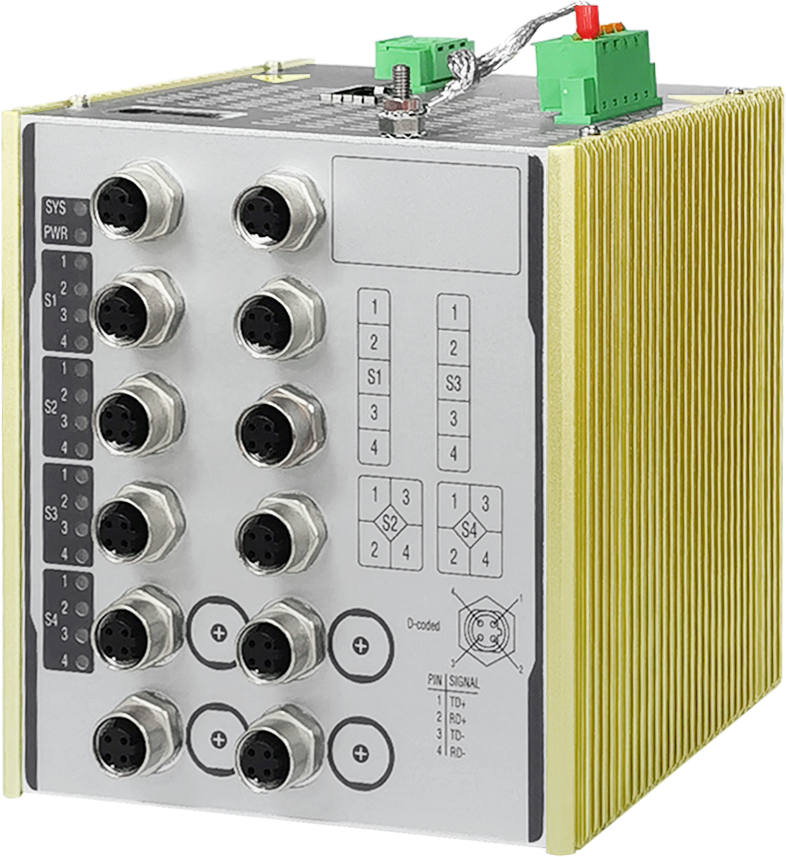
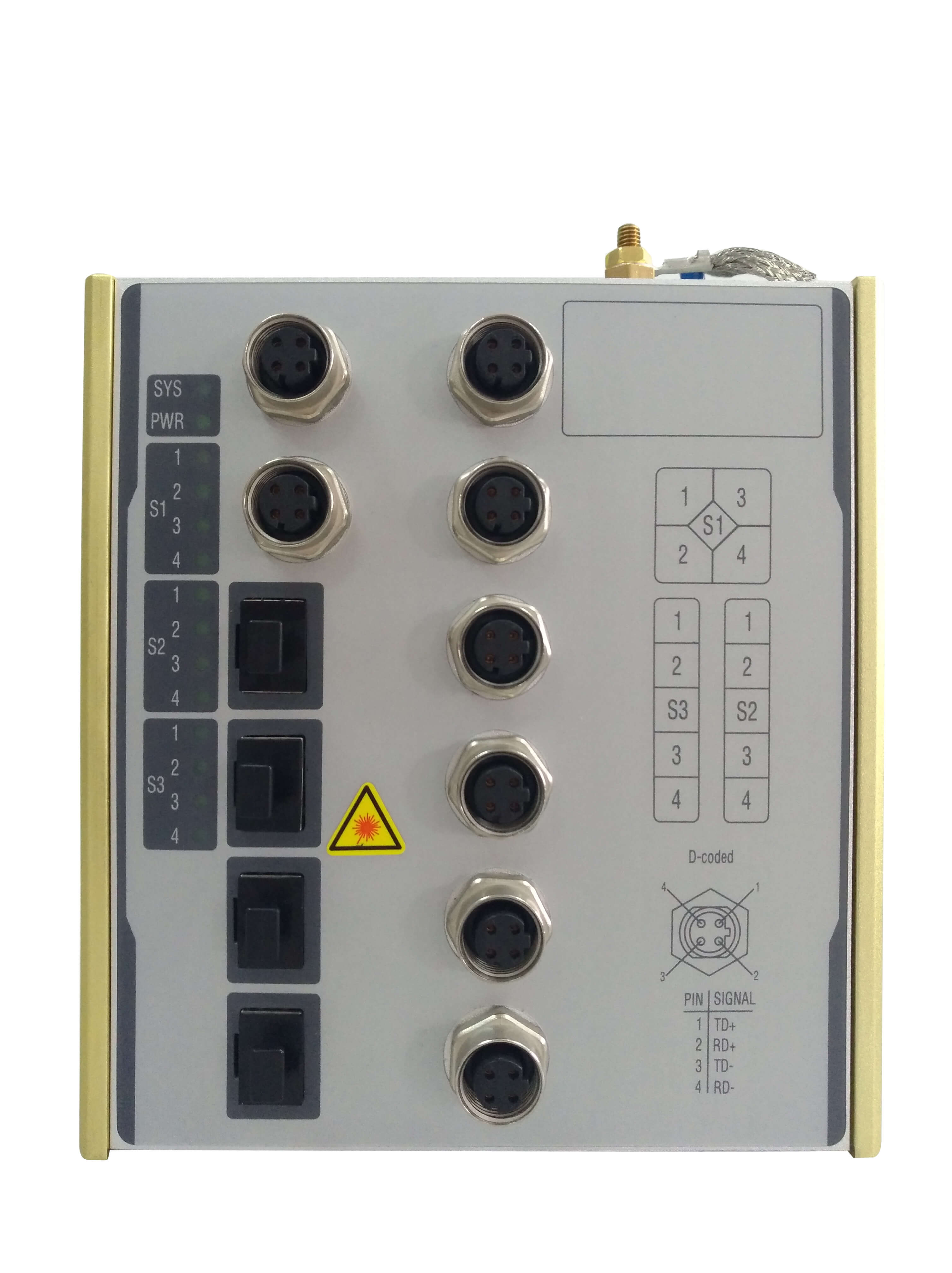
Universal Din-Rail Switches (TCC4100 Series):provides 4 combo ports +12 copper ports, PoE, low-speed serial ports, etc. A wide range of combinations, and support for M12/DB9/MD9 rugged connectors to adapt to vibrational environments.
Three-proof treatment process:PCB and components are sprayed with three anti-paints to resist salt spray, moisture, and mold erosion.
Optical bypass for power loss (BYPASS):Some models support, when the device is intentionally powered off, the fiber port automatically forms a physical path to avoid affecting the after-chain device communication.
Scenario features:Deployed in box transformers, booster stations or station centers, a large amount of terminal data needs to be aggregated, and achieves and level network security isolation.
Solution Highlights:TNM4000 Series Power Industrial Ethernet Switch.
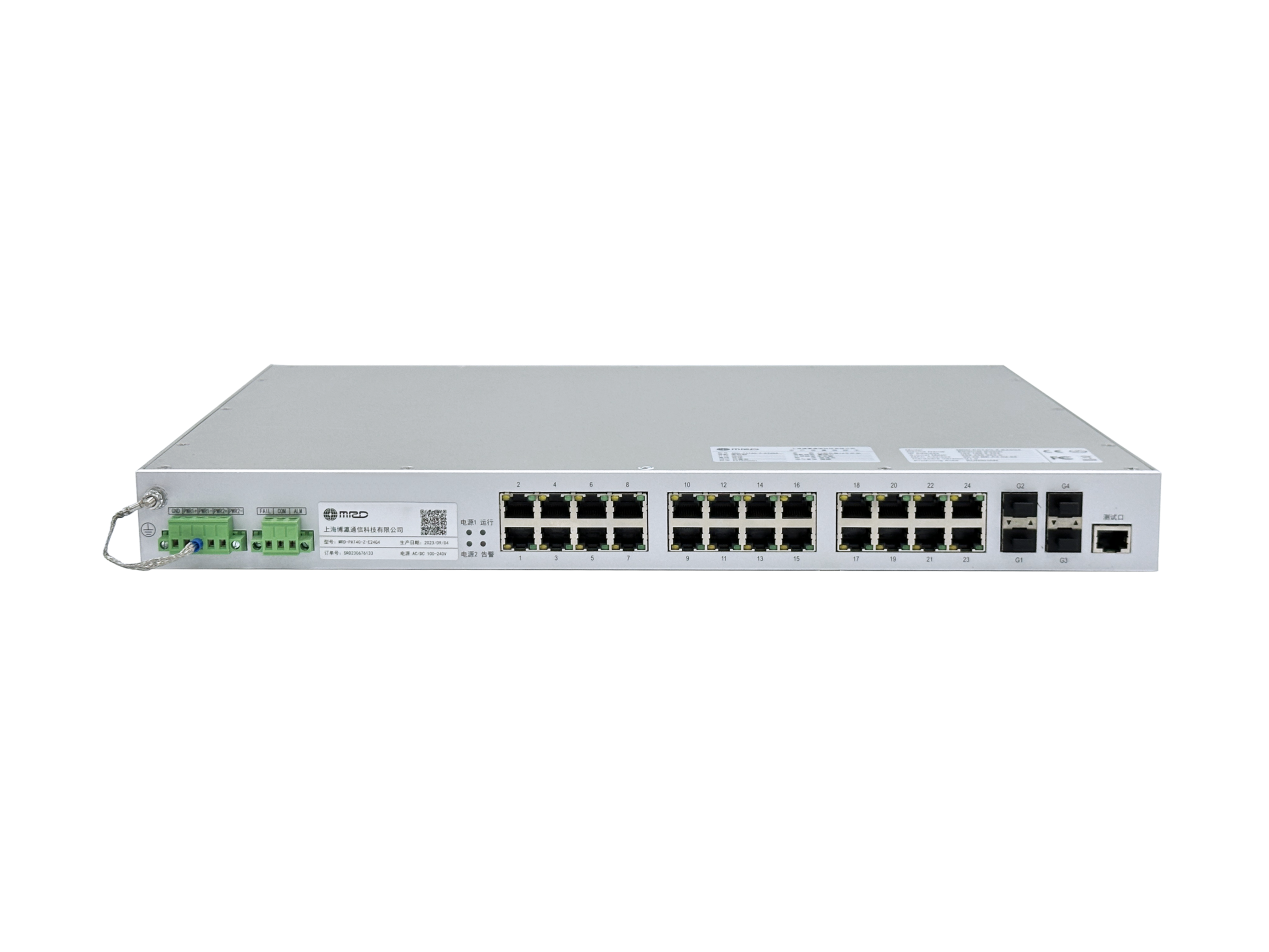
Layer-3 switching and isolation:Enable the Layer-3 routing function, achieves the logical isolation of the production control network and the management information network, and compliant with the security partition requirements.
High Density Interface:The maximum can supports 28 GigabitSFP or 22 Fast EthernetST ports, from which a large number of end devices can be connected.
Modular elastic extension:Supports 8 can plug and unplug service slots, and can configure interface modules on demand to flexibly adapt to site scale changes.
Power Class A Certification:passes EMC Class 4A test, with after indicator and power-off alarm function, easy to judge on-site and remote status.
Scenario features:Located in the regional centralized control center or dispatching machine room, it is necessary to handle cross-station backbone data exchange.
Solution Highlights:the TNM7000 series of core switches (see Intelligent Network Distribution Scheme for details) can be selected to provide 4T backplane bandwidth and dual main control/dual powerredundant to ensure that the centralized control center is never interrupted.