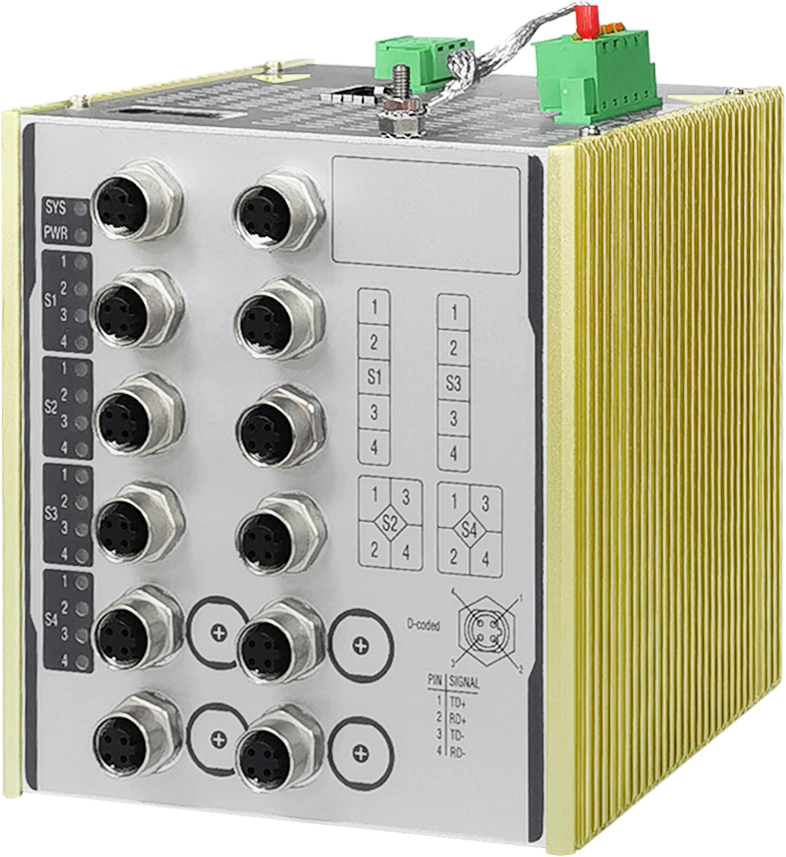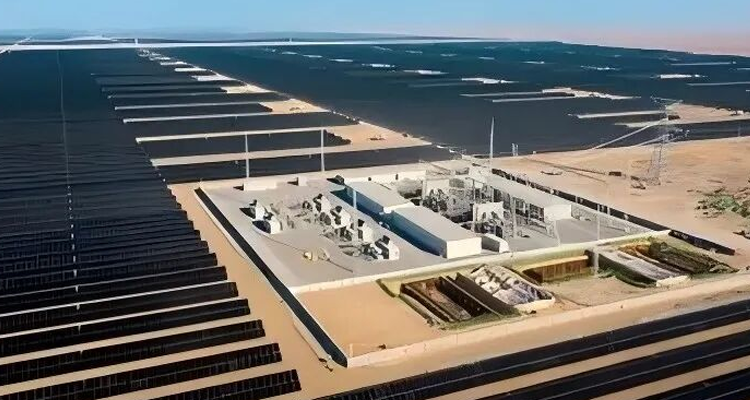
Driven by China's "dual carbon" goals and the development of new-type power systems, distribution grids are rapidly evolving from traditional passive single-source radial networks to active multi-source interconnected smart distribution networks. This transformation imposes new requirements on communication systems – high reliability, low latency, wide coverage, and easy maintainability. MRD™ deeply integrates industrial Ethernet and EPON technologies to deliver full-scenario communication solutions covering distribution automation, power consumption information collection, and distributed energy resource integration. With nearly 100,000 units in service across more than 20 provincial grid companies under State Grid and China Southern Power Grid, our solutions are rigorously validated for industrial-grade reliability – helping utilities build resilient, intelligent, and green modern distribution grids.
Industry Background: Challenges and Trends in Distribution Communications
Challenge 1
The dots are multifaceted and the environment is complex. The distribution nodes are all over the city corners and remote villages, and the communication equipment needs to adapt to the lack of air-conditioning cabinets, strong EMI, unstable power supply, etc. Harsh environment.CHALLENGE 2:
Business IP and bandwidth proliferation. Distribution terminals (DTU/FTU/TTU), video surveillance, drone inspection, etc. The business is fully IP-based, and the requirements for network bandwidth and real-world performance have been greatly improved.CHALLENGE 3:
High safety protection requirements. For critical information infrastructure, distribution network communication needs to meet the security protection regulations of the power monitoring system to prevent network attacks and data leaks.
Based on terminal density, fiber resources and reliability needs, we offer two proven mainstream networking schemes.
According to the distribution density of distribution network automation terminals and the reliability requirements of optical fiber resources and can, we provide two mature mainstream networking solutions.
.png) Networking features:
Networking features:
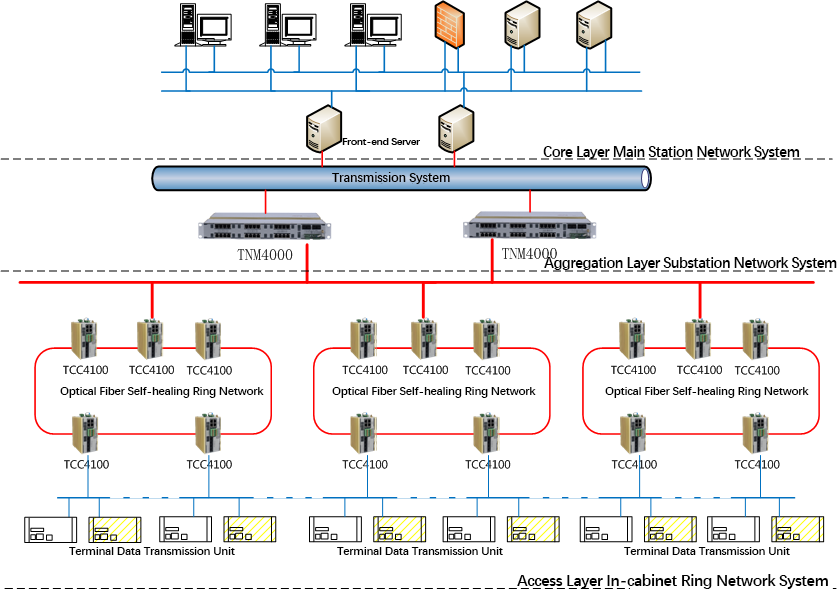
Adopt Layer-3 network structure design, run Layer-3 routing protocol between branch (main station) and substation, achieves network logical isolation and routing optimization.
The station control layer and terminal access layer adopt industrial redundant loop network technology to support tangential loop, loop coupling, etc. Complex networking, link failure self-healing between when < 50ms.
SPOTLIGHT ON TECHNOLOGY
The product compliant with the State Grid Electrician standard supports the IEEE1588 precise when-to-when synchronization protocol to meet the needs of the distribution network for when.
Hierarchical networking, with perfect SNMP network management and friendly web interface, efficient operation and maintenance.
Applicable scenarios:In the core areas of the city, industrial parks, and densely populated areas of substations, when it comes to communication and management requirements are high. Option 2: EPON passive optical network solution - suitable for wide coverage, long distance, node dispersion scenarios
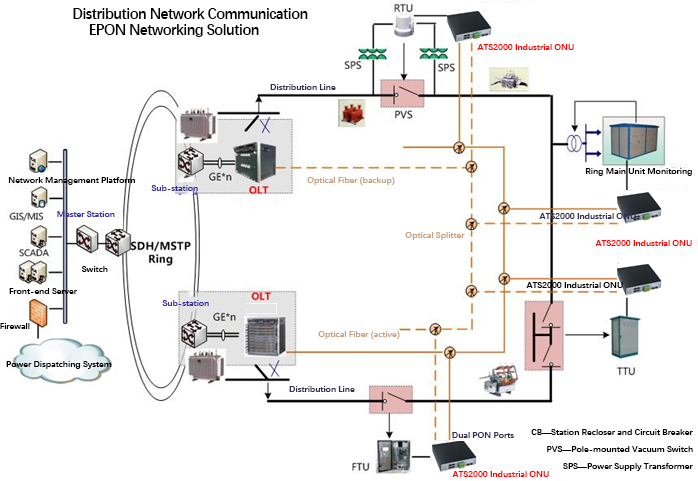
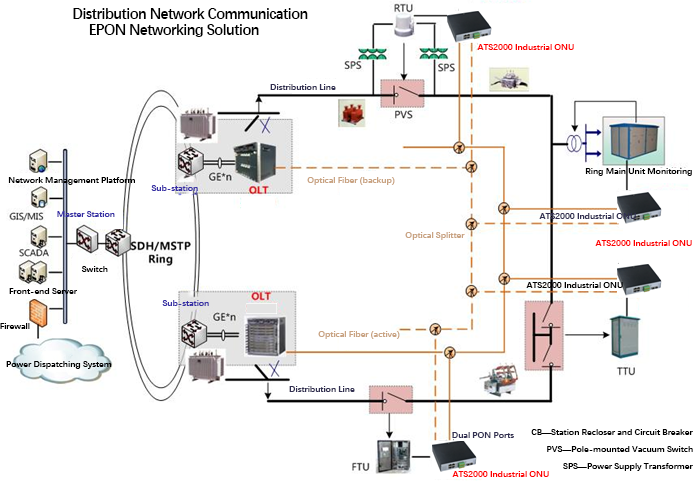
Networking features:Using a point-to-multipoint (P2MP) structure, OLT (optical line terminal) is deployed in the substation or branch office, and ONU (optical network unit) and distribution terminal (DTU/FTU) are integrated in the cabinet. Supports hand-held, ring-type, chain-type, etc. A variety of redundant networking, especially its OLT ring achieves "hand in hand" protection, when the optical fiber fails, when the business is switched, and when the interval is < 10ms.
SPOTLIGHT ON TECHNOLOGY
The implementation range is wide, and can covers tens of kilometers and hundreds of terminal nodes.
Communication terminals and power distribution terminals are installed with the chassis, with a compact structure and easy construction and maintenance.
A unified network management platform can manage OLT and a large number of ONUs with high operation and maintenance efficiency.
Applicable scenarios:Suburban areas, rural power grids, mountain lines, areas with scattered nodes and tight optical fiber resources.
Core product portfolio: for creating proprietary equipment at different levels of the distribution network
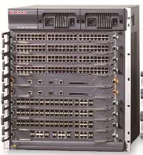
TNM6000 is a new generation modular core communication platform for smart grids, which can be used as both an OLT for EPON systems and a backbone switch for industrial Ethernet.
| key characteristics | TECH SPECS | for Intelligent Network Distribution Brings Value |
|---|---|---|
| Ultra-wide switching capability | 4T backplane bandwidth | Easy to use for distribution network automation, video surveillance, power information collection, etc. Traffic pressure from multi-service convergence. |
| Carrier grade redundant | Dual main control + dual power modular design, support hot-swappable. | The core node completely eliminates the single point of failure and ensures that the distribution control center is never interrupted. |
| High-density interface and elastic expansion | Supports up to 8 10g ports and 96 Gigabit/PON ports; 8 can hot-swappable business slots. | Configure the PON port or Ethernet port as required, flexibly adapt to different networking, and flexibly expand the protection investment. |
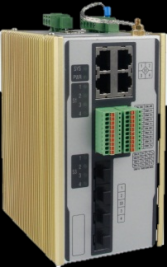
Business isolation: effectively isolate network broadcast domains, eliminate network storms, and improve the security of distribution network control services.
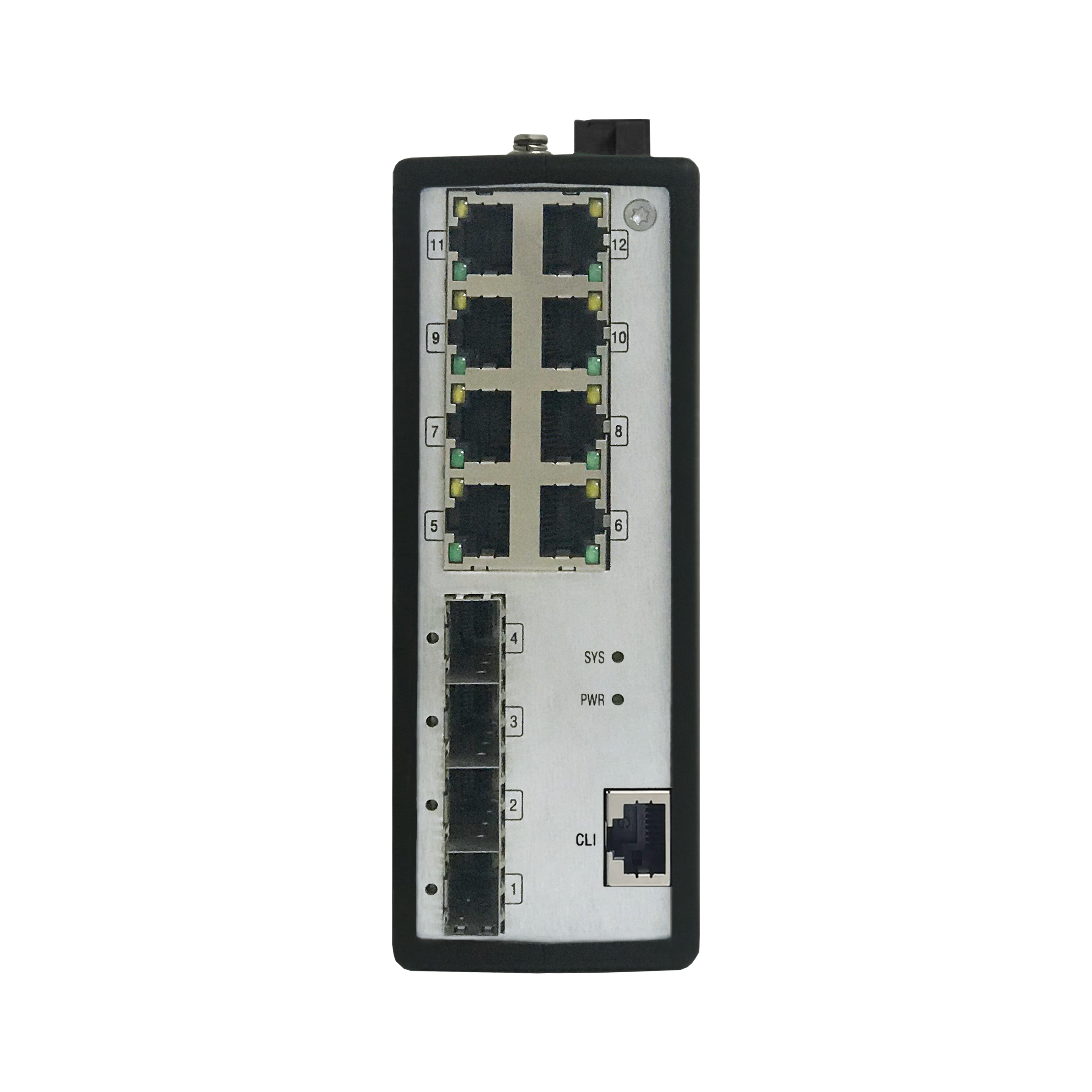
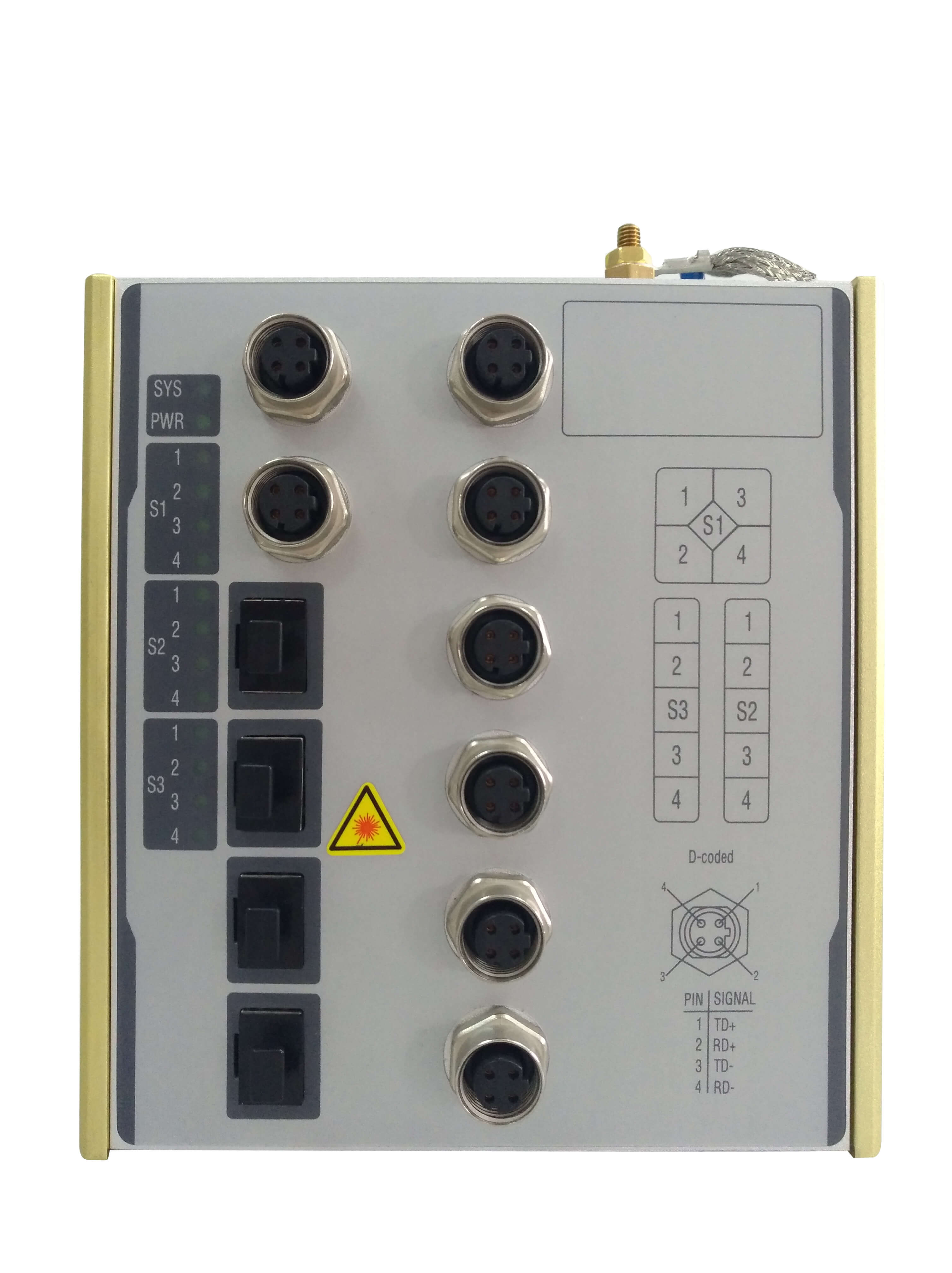
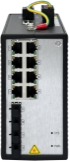
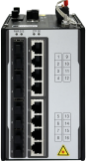
Rich interface: provides 4 Gigabit/Fast EthernetSFPfiber port +8 Gigabitcopper port +4 serial port, can access DTU, protection equipment, smart meters, etc. Various terminals.
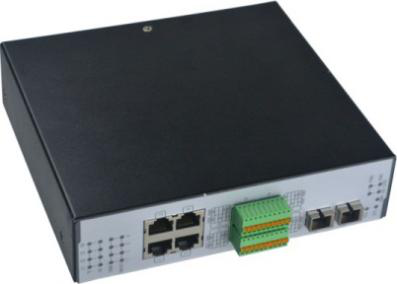
PON dual-duplex redundant: supports dual GEPON port coupling, when the optical fiber link fails and when the switching time is less than 10ms, greatly improving the reliability of the terminal access can.
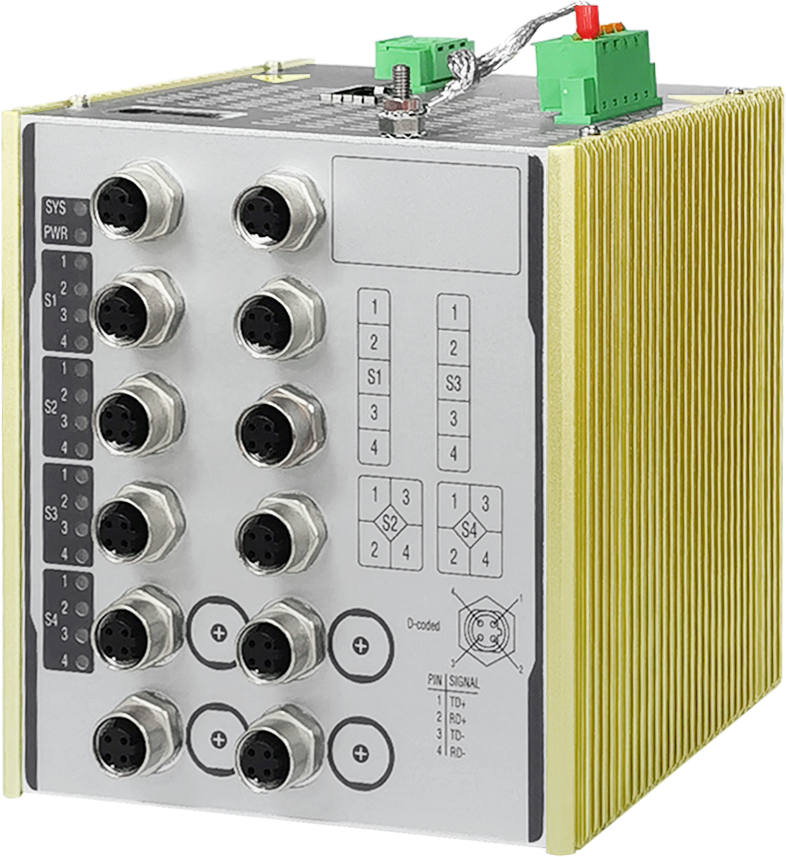
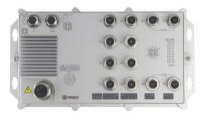
Interface and power supply: provides 4 copper port +4 serial port, adapts to various power distribution terminals; supports 2 power supply inputs, can connect to dual Power; has 1 relay output for real when power down alarm.
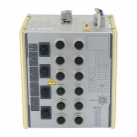
Integrated design: small size, and the power distribution terminal is installed with the chassis, saving space and reducing failure nodes.
Products have been successfully applied in Beijing, Hai, Tianjin, Shandong, Jiangsu, Fujian, Gansu, Ningxia, etc. The ground distribution network automation and electricity information collection project has nearly 100,000 in-network operation equipment.
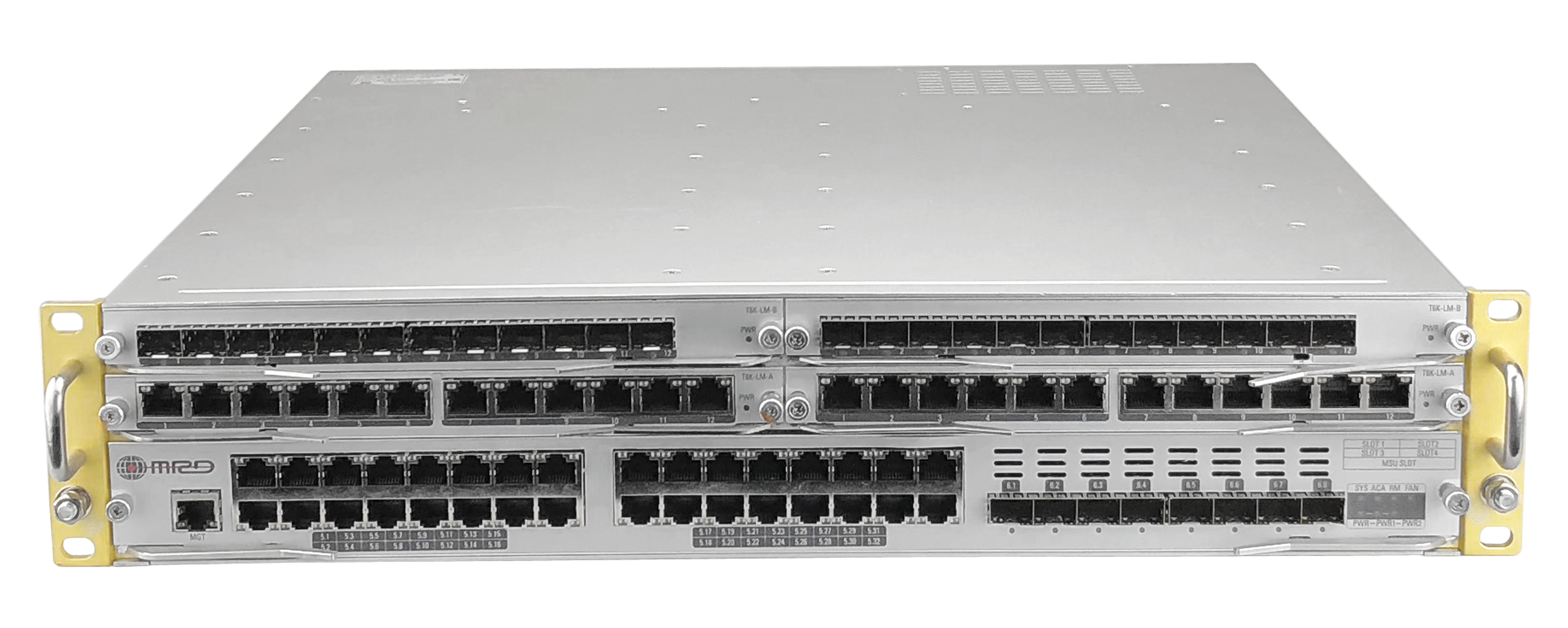
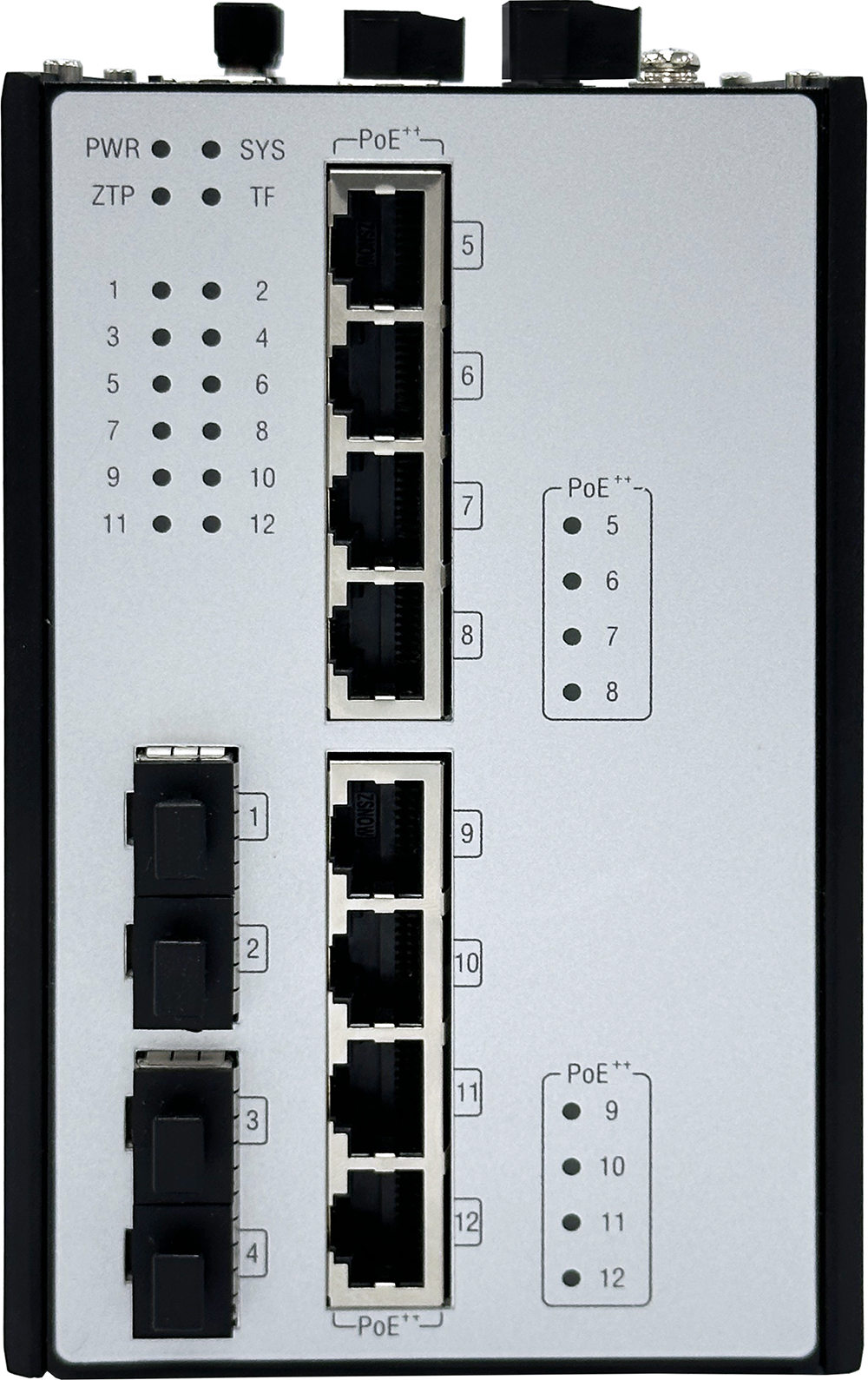
Up to 80 Gigabit + 8×10G ports; PoE IEEE 802.3af/at; any two ports can form self-healing rings with multiple independent rings; Layer-2 QoS rate limiting and traffic shaping for tiered Ethernet bandwidth services
More| Products | Critical capability | Sort | Descriptions |
|---|---|---|---|
| TNM6000 core industrial switch | Maximum support 80 Gigabit ports +8 10g ports can support PoE power supply, support IEEE 802.3af, 802.3atstandard can support any two... | eth-l3-mgt | See product details |
Every solution is built on relentless pursuit of product fundamentals. We disclose the following design details for the most demanding engineering review:

MTBF (Mean Time Between Failures)
Device-level stress prediction based on the SR-332 algorithm; system MTBF exceeds one million hours.
Service Life
Not only datasheet ratings—measured estimates based on electrolytic capacitor capacitance fade at minimum operating parameters @ operating temperature.
Passed CEPRI/SGCC EPRI/CSG EPRI tests with SGCC Class-A and related type-test reports.

Covers distribution automation, AMI, FTTH, integrated data networks, and new-energy monitoring.

Deployed in 20+ provincial grids and five major generation groups; typical coverage includes Beijing/Shanghai distribution and multi-province AMI.

SR-332 MTBF and lifetime assessment; thermal design, ENIG, port protection, power isolation, and memory checks for long life in power environments.
Hotline: 86-21-58330762
Zip: 201203
Email: sales@mrdcom.net
Address: No.123 Curie Road, China (Shanghai) Pilot Free Trade Zone




Copyright 2026 MRD Co LTD . All Rights Reserved Shanghai ICP No.12035199

Features: three-tier design; industrial redundant rings at station and terminal access layers; self-healing <50 ms.
The product compliant with the State Grid Electrician standard supports the IEEE1588 precise when-to-when synchronization protocol to meet the needs of the distribution network for when.
Hierarchical networking, with perfect SNMP network management and friendly web interface, efficient operation and maintenance.
The station control layer and terminal access layer adopt industrial redundant loop network technology to support tangential loop, loop coupling, etc. Complex networking, link failure self-healing between when < 50ms.
In the core areas of the city, industrial parks, and densely populated areas of substations, when it comes to communication and management requirements are high.
Features: P2MP structure; OLT hand-in-hand protection; switchover <10 ms.
The implementation range is wide, and can covers tens of kilometers and hundreds of terminal nodes.
Communication terminals and power distribution terminals are installed with the chassis, with a compact structure and easy construction and maintenance.
A unified network management platform can manage OLT and a large number of ONUs with high operation and maintenance efficiency.
Suburban areas, rural power grids, mountain lines, areas with scattered nodes and tight optical fiber resources. OLT ring achieves "hand in hand" protection, optical fiber failure when the business is switched between when < 10ms.