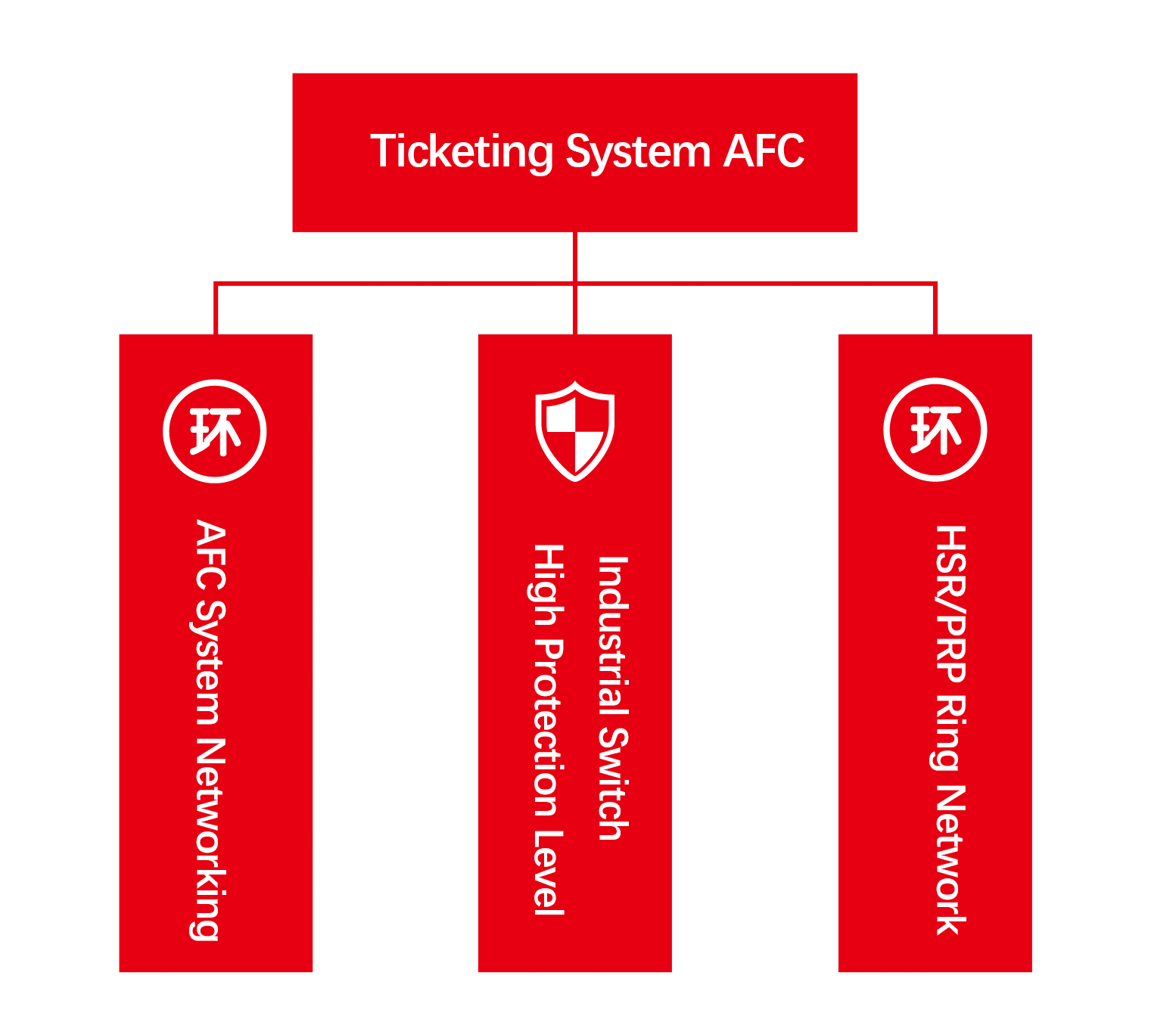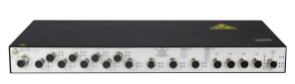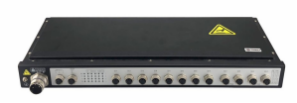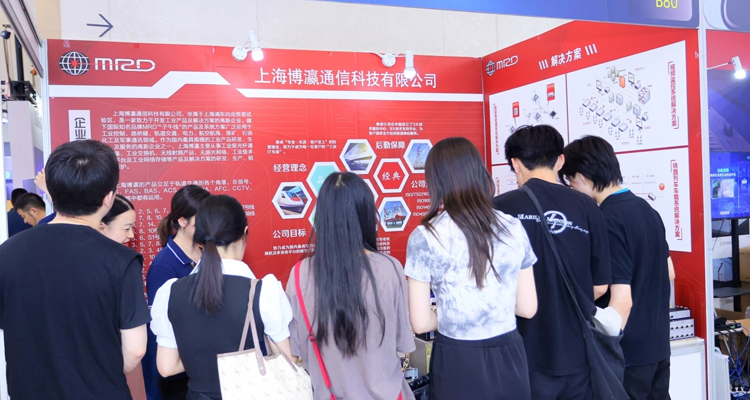
MRD™ delivers a complete industrial network solution for rail transit Automatic Fare Collection (AFC) systems – from station access to aggregation. We focus on three core requirements in AFC scenarios: high reliability with zero packet loss, high‑grade protection for harsh environments, and high bandwidth to support ticketing operations.
AFC directly affects revenue and passenger experience; its network must meet:
Business cannot be interrupted
redundant switching between when < 50ms, or even zero packet lossPoor station environment
The equipment needs to be fanless, dustproof and vibration resistantTicket data real when
High bandwidth, low latency, avoid network stormsDense access points
A single station needs to be connected to dozens of gates, ticket machines, and readers.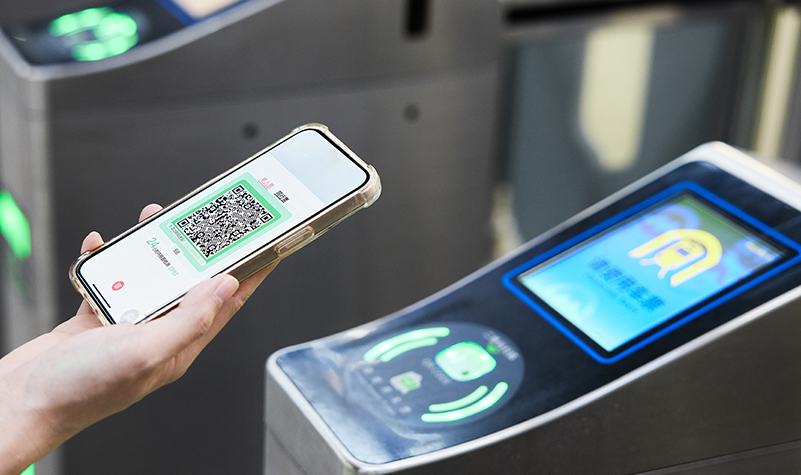
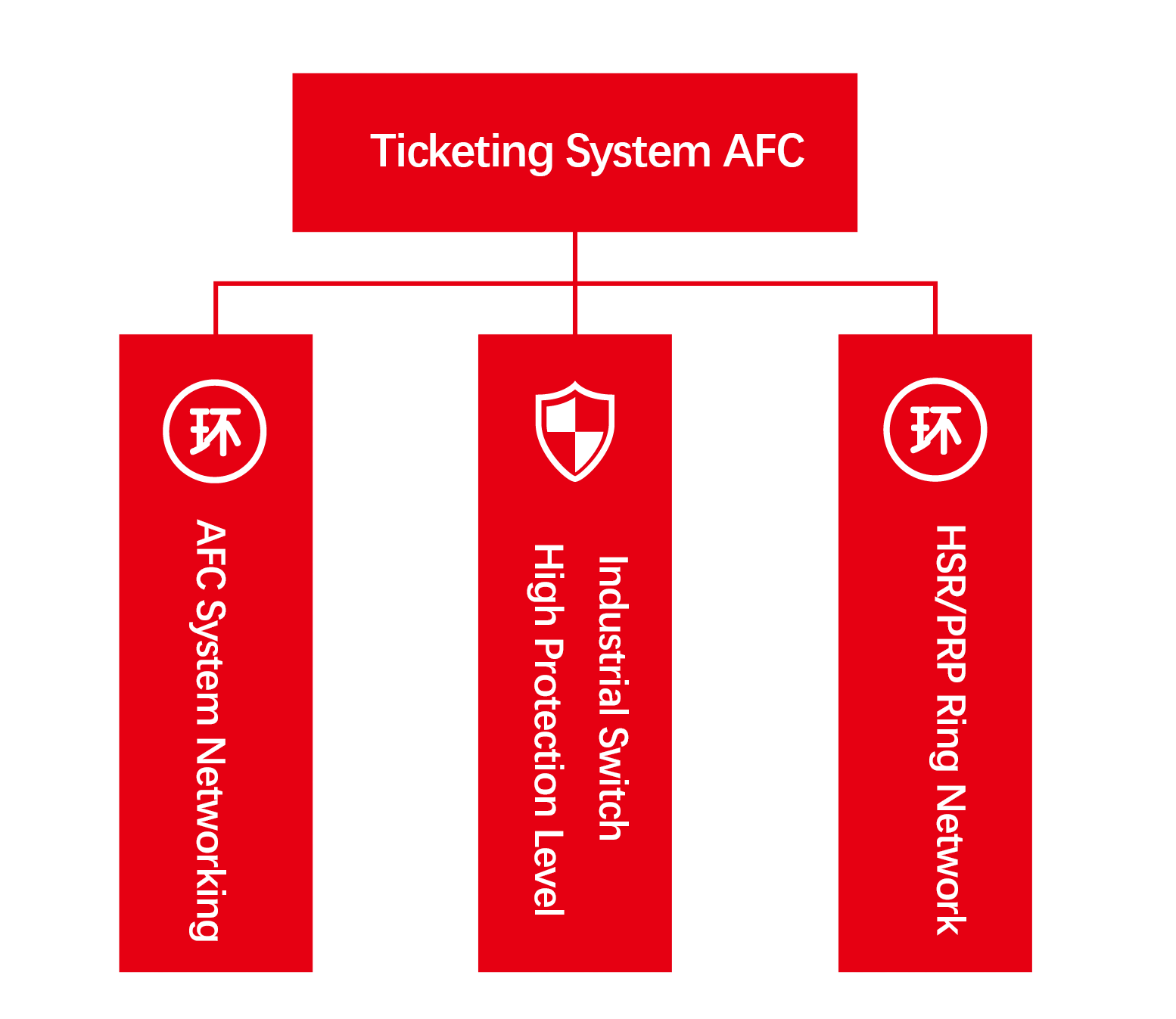
Two schemes for standard stations and core stations/lines with extreme reliability needs.
We provide two sets of solutions, which are suitable for regular stations and for can reliability. There are extreme requirements for core stations/lines.
Applicable scenarios
standard station AFC system, existing line renovation.
Core capability
for Customer Value
Rapid deployment, this can control, and meet the general design specifications of the National Rail Transit AFC system.
Applicable scenarios
There are mandatory lines (such as driverless lines) for transfer stations, hub stations, and for zero interruptions.
standard basis
Based on IEC 62439-3 standard promulgated by the International Electrotechnical Commission (IEC):
for Customer Value
Applies to highest, etc. Class can reliability requirements scenarios (such as unmanned lines, extra large hub stations) to meet the stringent needs of future fully automatic operation lines for networks.
 Core capability ①: HSR - zero packet loss, zero handoff
Traditional ring network: passes detects breakpoints, inverts paths, and stores them for tens of milliseconds.
MRD™ Meridian ® HSR Scheme: Dual send and receive mechanism - data packets are sent in both directions of the ring, the receiving end selects the first to reach the packet, and discards the after to secondary this. When there is no packet loss, switch between when and for 0 milliseconds.
Traditional dual network (A network/B network): rely on software to detect heartbeat, switch, switch when the interval is long, can can lose packets. MRD™ Meridian ® PRP scheme: Each node (such as a gate) is connected to two independent and physically isolated networks (A network and B network). Nodes in the dual network have the same IP and MAC address, and the same data is sent to the dual network. The receiver de-duplicates according to the serial number. Either of the A/B networks is completely ineffective, and the business has zero impact.
the can in backbone layer adopts HSR ring network (high bandwidth, zero switching), the access layer adopts PRP (double network isolation), and achieves zero interruption from the terminal to the backbone.
Further: can rely on the software Achieves A/B network switching, sinking to the hardware layer to complete, further shortening the interruption when, freeing up CPU resources.
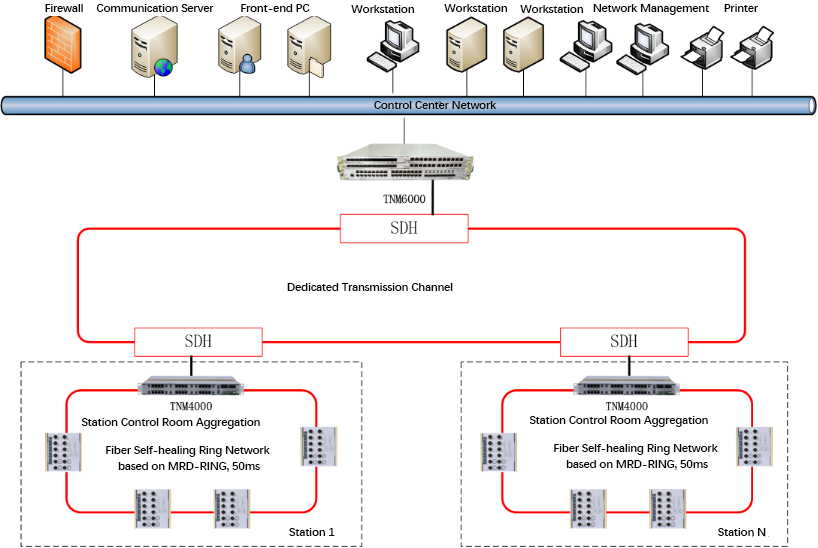
MRD solution in typical station deployments such as:
 Network topology diagram 1
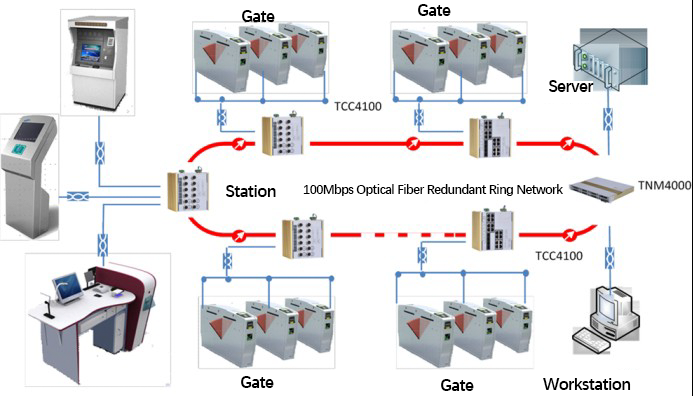 Network topology diagram 2
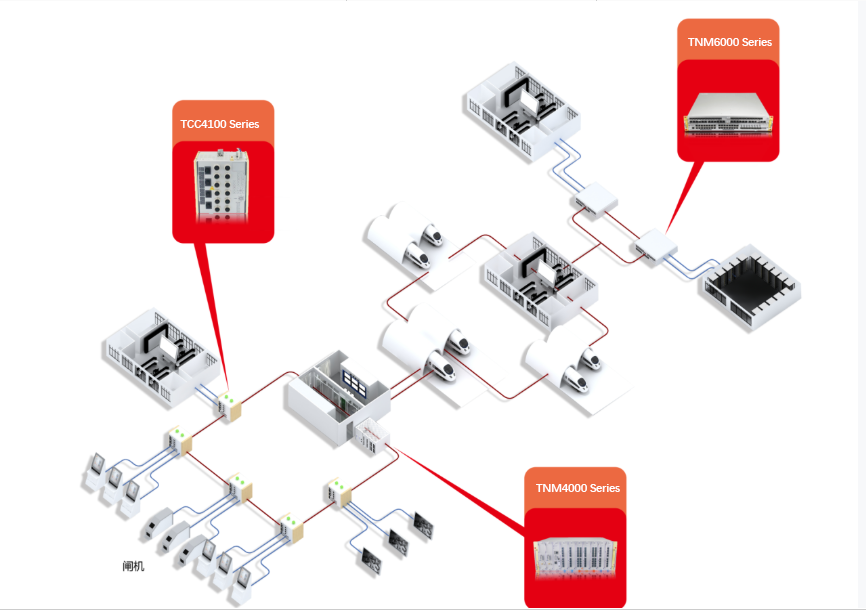
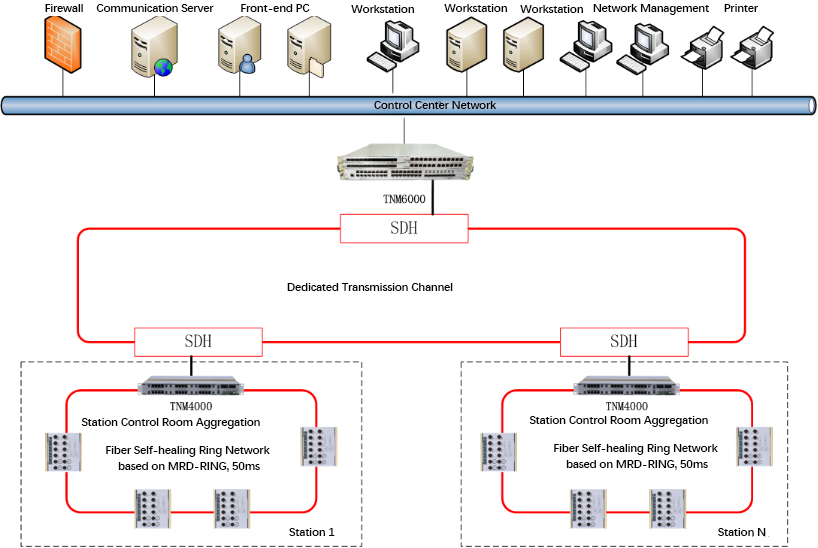 AFC typical networking topology
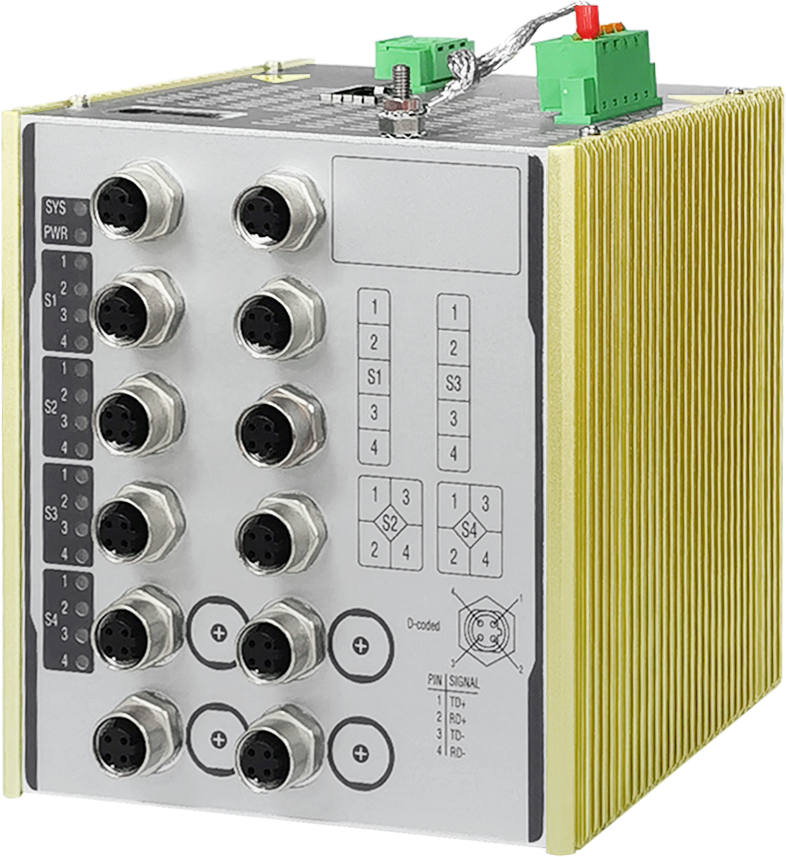
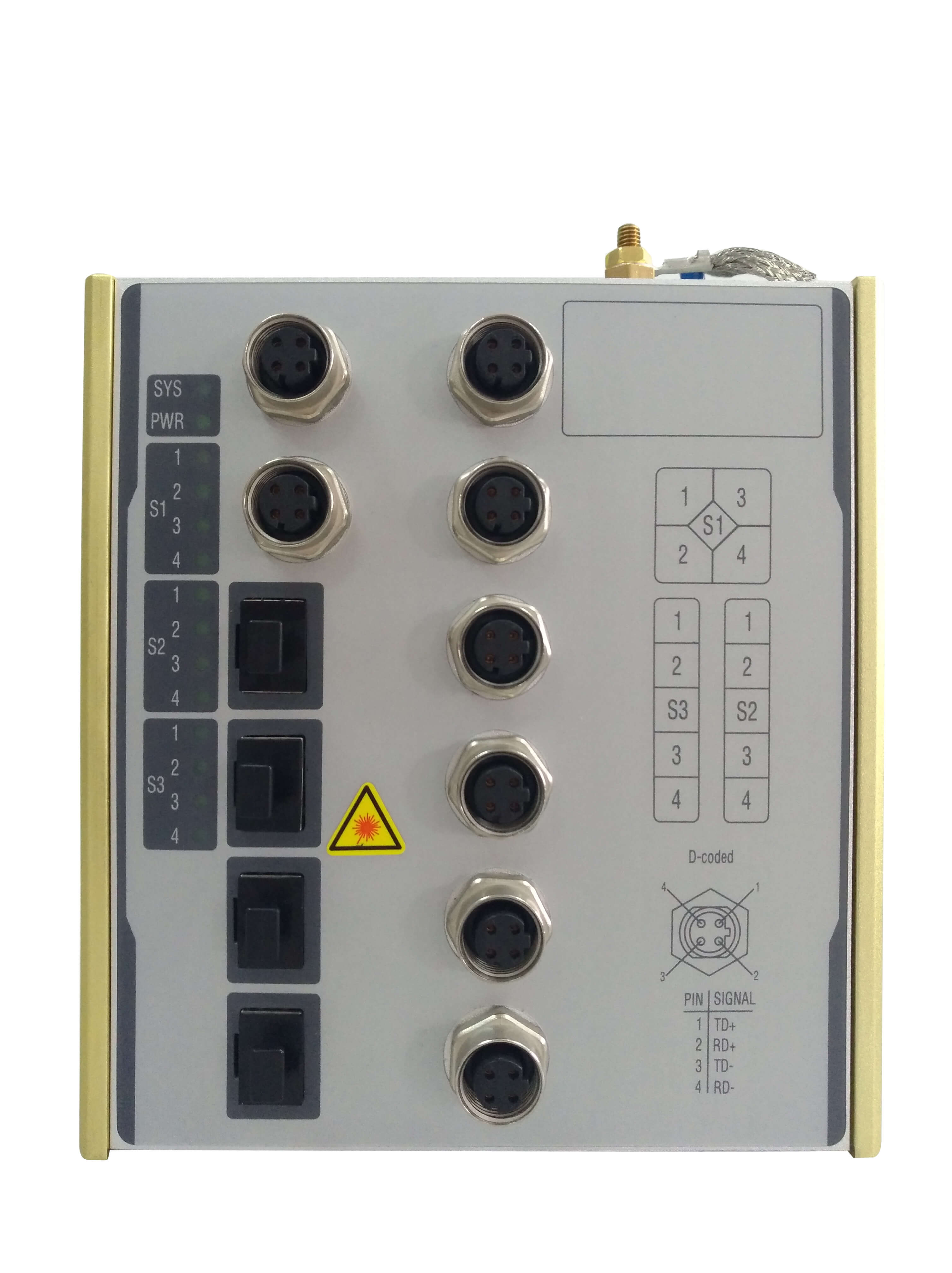
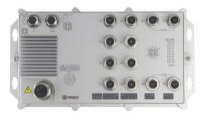
Access layer: The TCC4100 terminal is connected to the industrial switch, and deployed in gate machines, automatic ticket vending machines, semi-automatic ticket vending machines, etc. At, the M12 interface is firmly connected to form a redundant ring network or HSR ring.
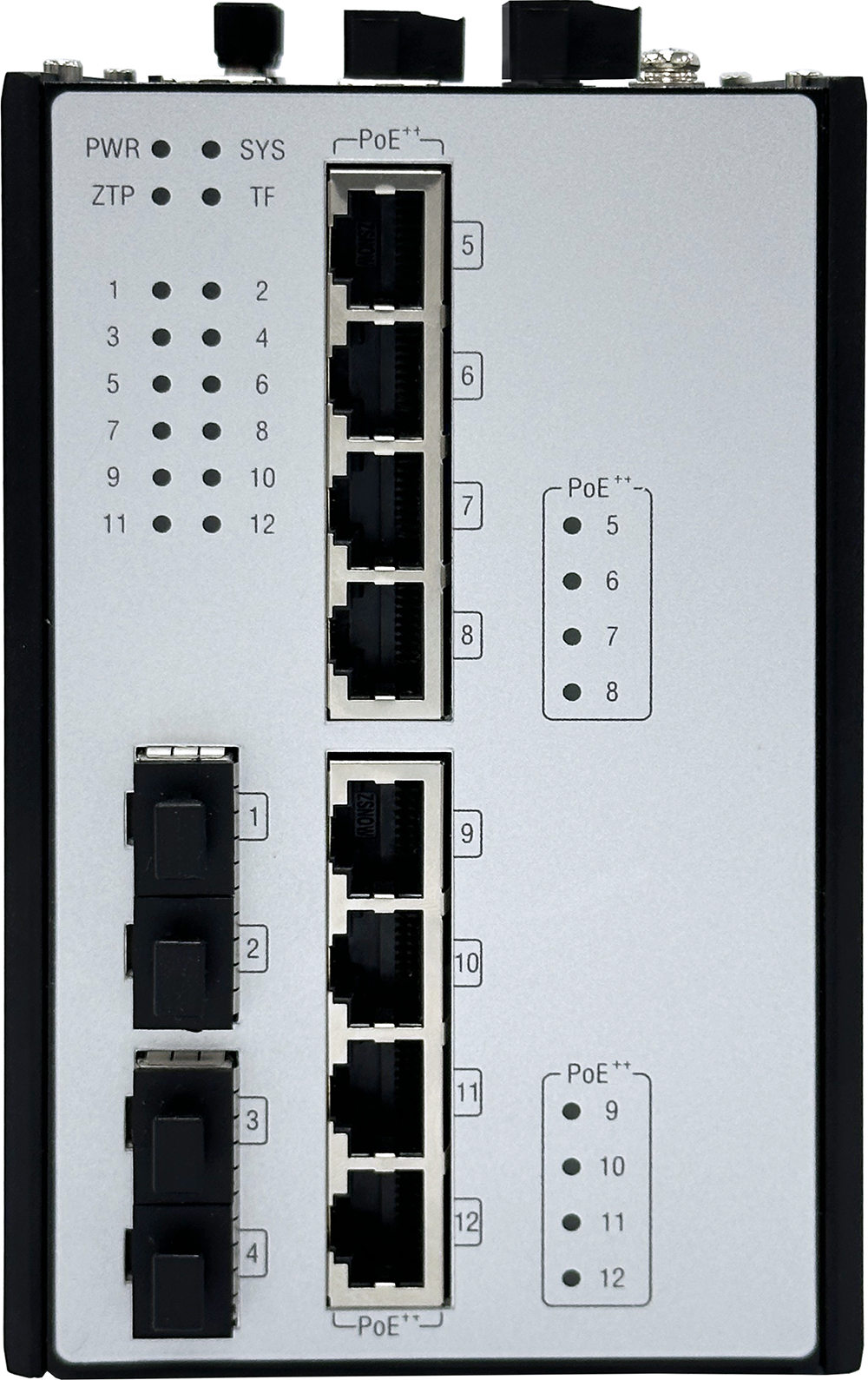
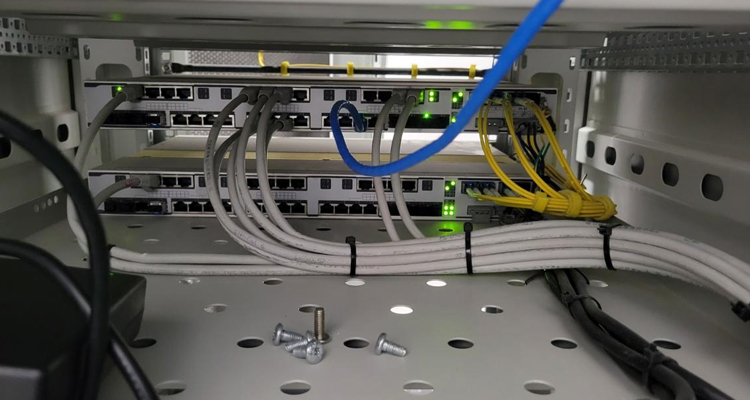
Aggregation layer: TNM4000 modular aggregation switch is deployed in the vehicle control room, all access ring networks of this station are aggregated, and connected to the transmission network (SDH/OTN).
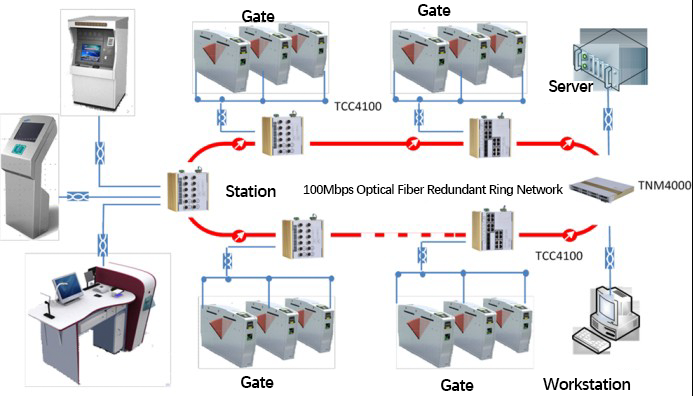
The TCC4100 terminal is connected to the industrial switch, and deployed in the gate machine, automatic ticket vending machine, semi-automatic ticket vending machine, etc. At, the M12 interface is firmly connected to form a redundant ring network or HSR ring.
The TNM4000 modular convergence switch is deployed in the vehicle control room, gathers all the access ring networks of this station, and connects to the transmission network (SDH/OTN).
The station adopts a redundant ring network architecture based on industrial Ethernet, and the achieves ticket terminal can rely on access and business continuity.
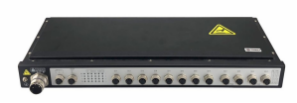
MRD-Ring® Ethernet ring with node self-healing <5 ms and ring self-healing <50 ms (typical); IEC62439 MRD ring media redundancy; any two ports can form rings with multiple independent rings; Layer-2 QoS
More| Products | Critical capability | Sort | Descriptions |
|---|---|---|---|
| TCC4100 series railway train on-board industrial switch | Supports Ethernet ring network function based on MRD-Ring ® technology, nodes self-healing time under 5 milliseconds, ring network self-healing time under 50 milliseconds (typical value) Supports IEC-based... | eth-poe | See product details |
| TCC4100 Series Railway Train Car IP54IP67 Switch | Supports up to 8 PoE ports Supports Ethernet ring function based on MRD-Ring ® technology, supports multiple self-healing rings, nodes self-healing time under 5 milliseconds, ring network self-healing when... | eth-poe | See product details |
| TCC4100 series 24-port high-end Din-RailLayer-3industrial switch | Supports 24 Ethernet ports, including 8 2.5g SFP fiber ports Any two ports can be used to form a self-healing ring network, and supports multiple independent self-healing rings... | eth-l3-mgt | See product details |
| TCC4100 Firm Interface Din-Rail Switch - Gigabit | Backplane bandwidth up to 68Gbps Supports Ethernet ring network function based on MRD-Ring ® technology, supports multiple self-healing rings, nodes self-healing time under 5 milliseconds, ring network self-healing... | eth-l3-mgt | See product details |
Every solution is built on relentless pursuit of product fundamentals. We disclose the following design details for the most demanding engineering review:

MTBF (Mean Time Between Failures)
Device-level stress prediction based on the SR-332 algorithm; system MTBF exceeds one million hours.
Service Life
Not only datasheet ratings—measured estimates based on electrolytic capacitor capacitance fade at minimum operating parameters @ operating temperature.
Whether conventional rings or HSR/PRP zero-loss schemes, purpose-built for AFC—not generic reuse.

HSR/PRP fully complies with IEC 62439-3 for zero-interruption networks on future FAO lines.

From M12 connectors to fanless design, IP54 to IP67—built for real harsh station environments.

End-to-end support from network design and delivery to O&M training. We stand behind product lifetime.
Hotline: 86-21-58330762
Zip: 201203
Email: sales@mrdcom.net
Address: No.123 Curie Road, China (Shanghai) Pilot Free Trade Zone




Copyright 2026 MRD Co LTD . All Rights Reserved Shanghai ICP No.12035199

Use cases: standard station AFC systems and existing-line retrofit.
Each station access switch forms a redundant ring network, self-healing between when and when ≤ 50ms.
passes Each site sink node is connected to the transmission network (SDH).
The equipment adopts fanless and high Protection rating to adapt to the half-unit environment of the station.
Support M12 or RJ45 ports, both can reach to for protection requirements.
the fiber portBYPASS function can be selected to avoid ring network splitting due to a single point of failure.
for Customer Value:Rapid deployment and this can control to meet the general design specifications of the National Rail Transit AFC system.
Use cases: interchange/hub stations and lines requiring zero interruption (e.g. driverless). Based on IEC 62439-3 including HSR and PRP.
Traditional ring network passes detect breakpoints, invert paths, and store them for tens of milliseconds. The MRD HSR scheme uses a dual-send and receive mechanism - the data packets are sent in both directions of the ring, and the receiver selects the first to reach the packet, and discards the after to secondary this. When there is no packet loss, switch between when and for 0 milliseconds.
The traditional dual network (A network/B network) relies on the software to detect the heartbeat and switch, the switching time is long, and the can can can lose packets. MRD PRP scheme: Each node is connected to two independent and physically isolated networks at the same time. The node in the dual network has the same IP and MAC address, and sends the same data to the dual network at the same time. The receiving end deduplicates according to the serial number. Either of the A/B networks is completely ineffective, and the business has zero impact.
the can in backbone layer adopts HSR ring network (high bandwidth, zero switching), the access layer adopts PRP (double network isolation), and the achieves zero interruption from the terminal to the backbone. can rely on the software achieves A/B network switching to the hardware layer to complete, further shortening the interval between interruptions and releasing CPU resources.
for Customer Value:Applies to highest, etc. Class can reliability requirements scenario, to meet the stringent needs of future fully automatic operation of the line for network.