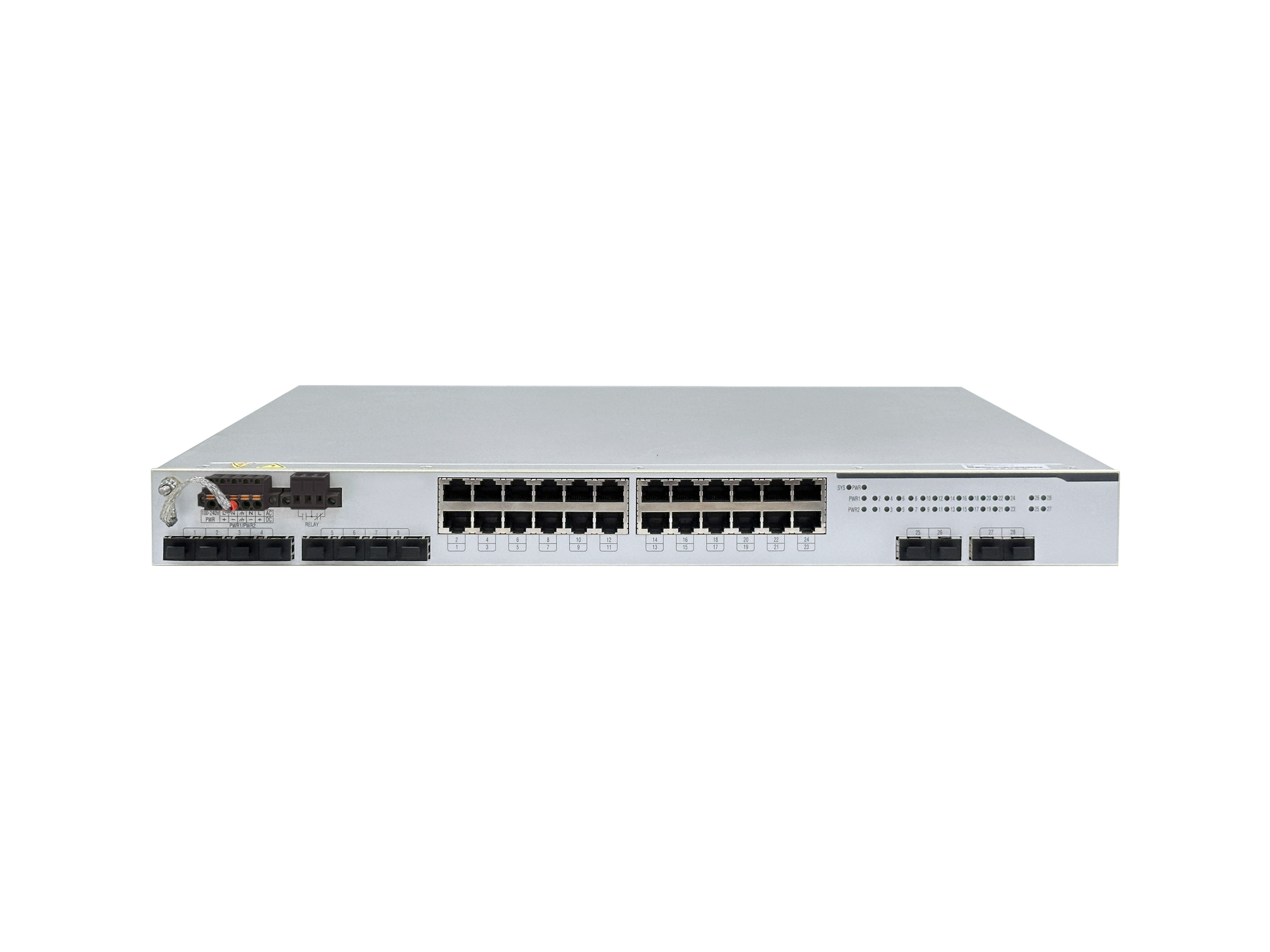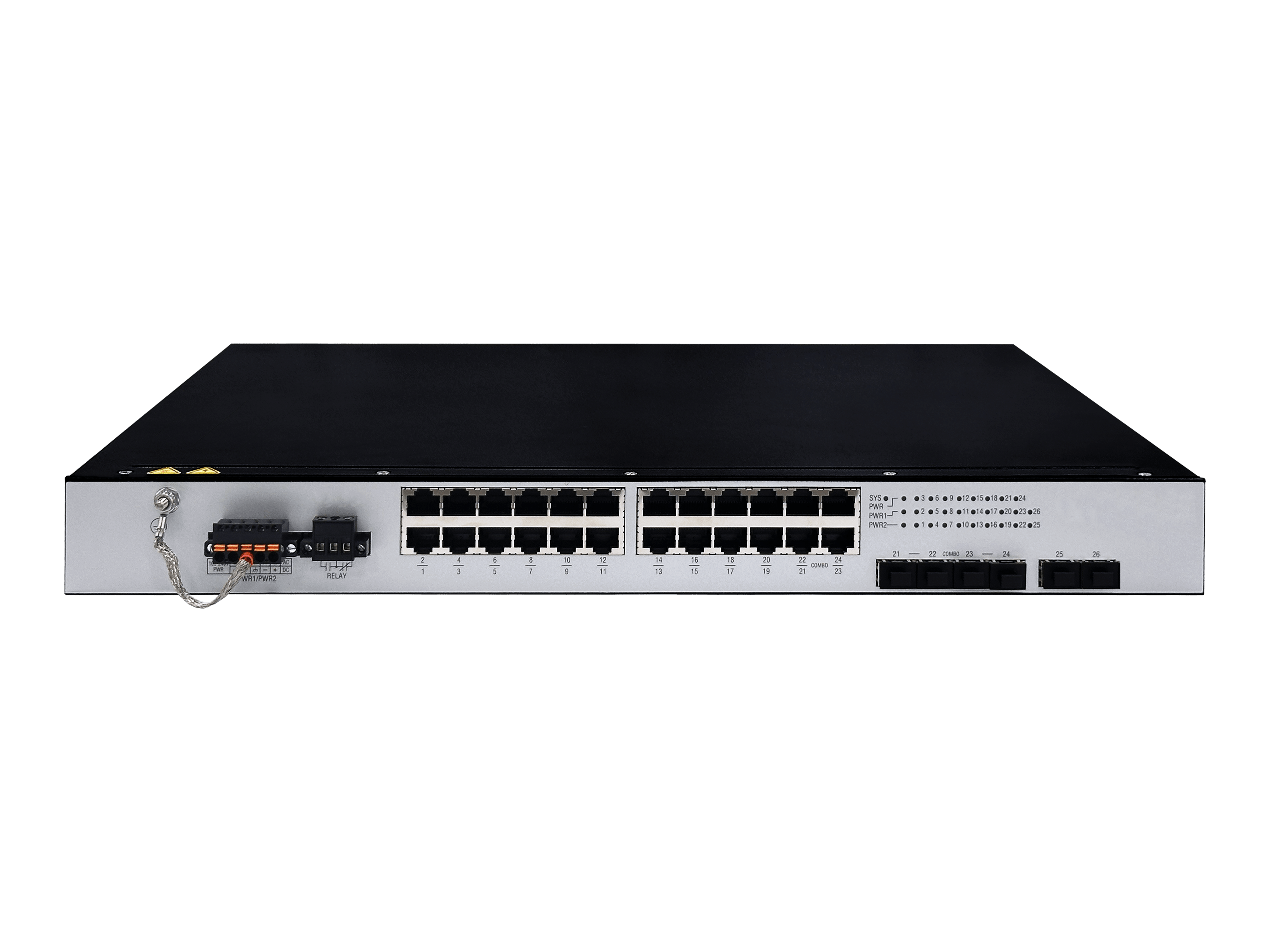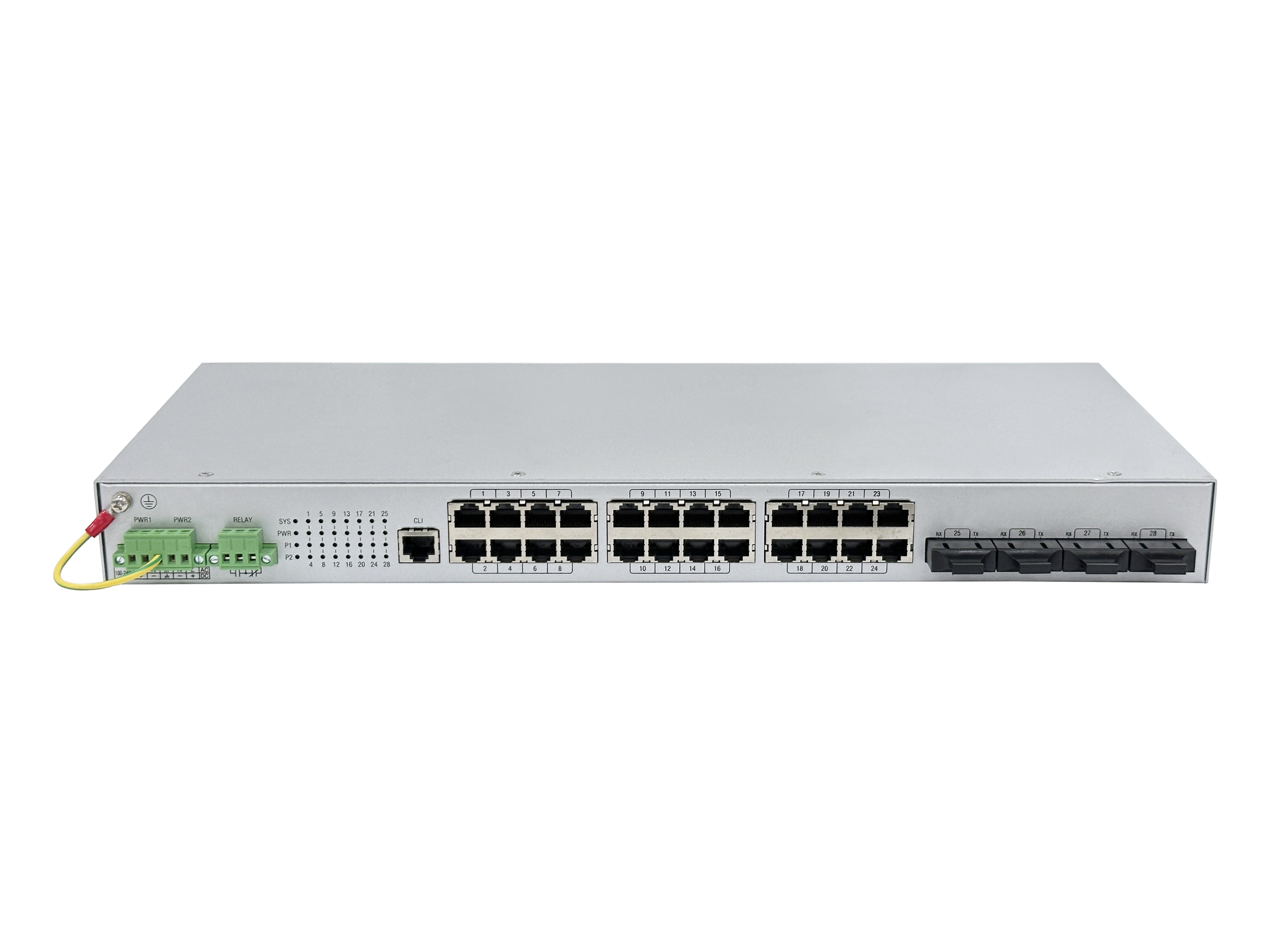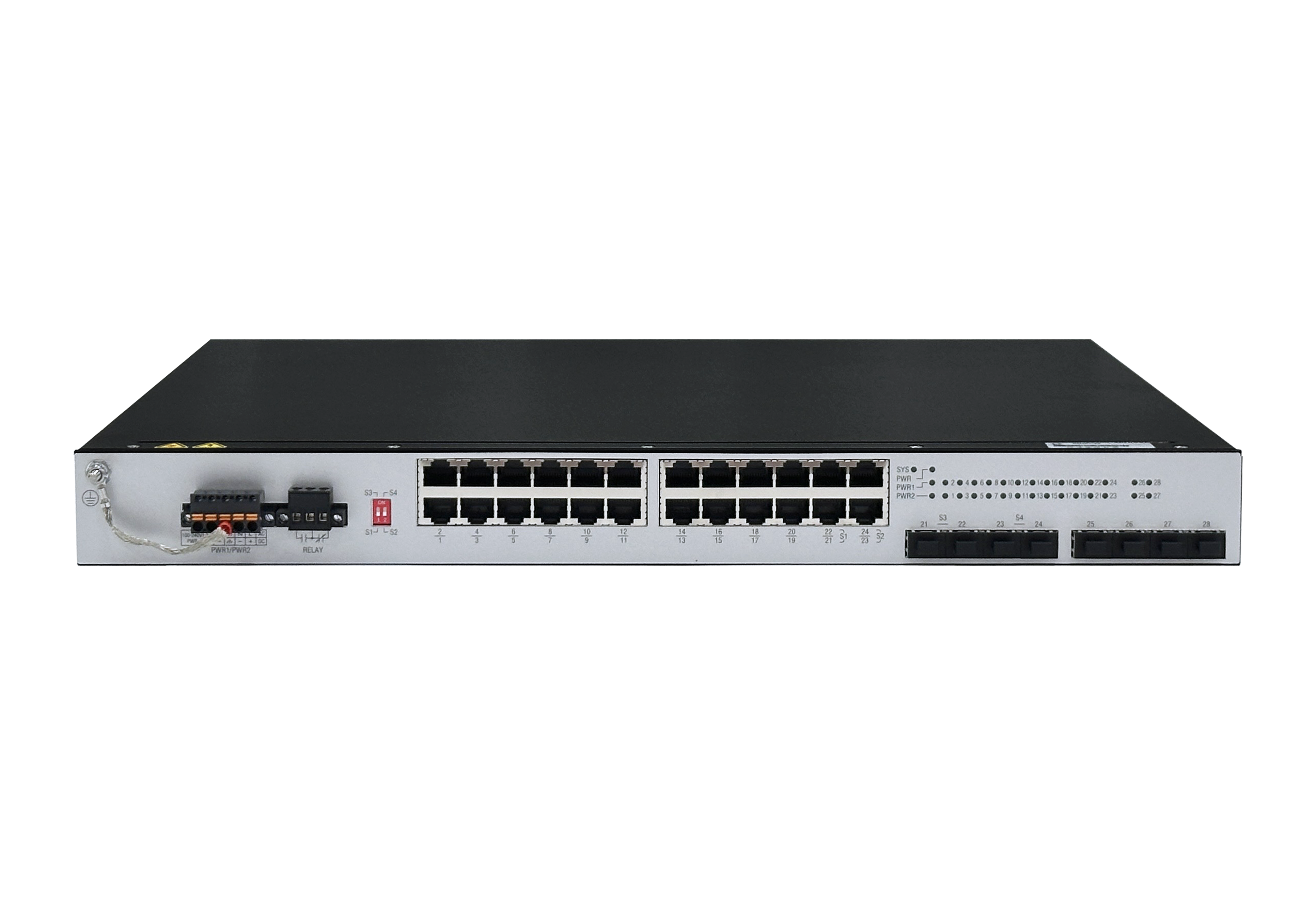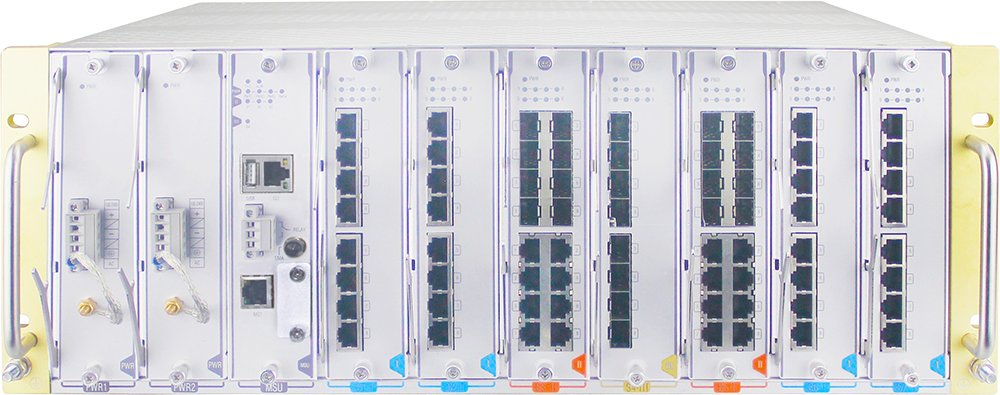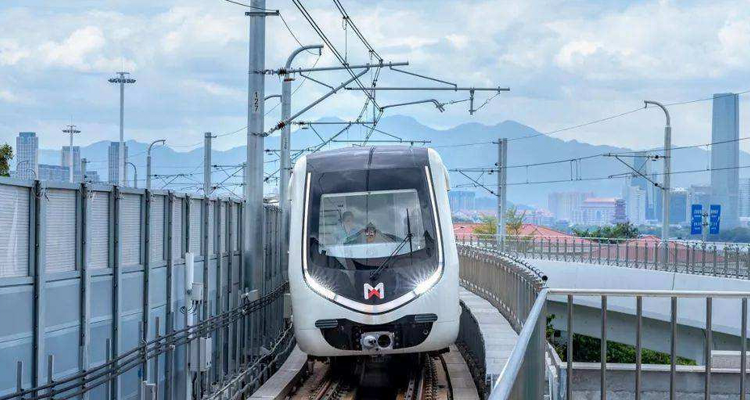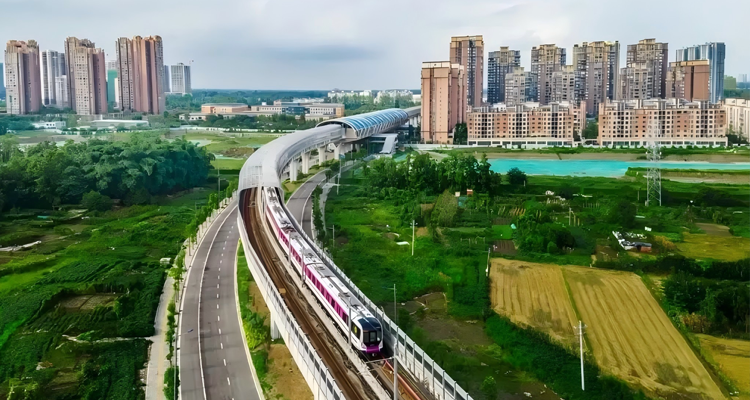
MRD delivers an integrated solution for the Integrated Supervision and Control System (ISCS) in rail transit, featuring high‑reliability dual‑network redundancy, three‑tier security protection, and distributed fiber‑optic sensing. The solution addresses three core requirements: absolute reliability of the A/B dual networks, security isolation across subsystems, and real‑time condition awareness of critical equipment.
ISCS integrates power, environment, fire, signaling and more; its network directly affects train safety and operations dispatch.
Business is never for uninterrupted
A/B dual networks are independent, and services will not be affected by any network failure.Safe isolation of multiple subsystems
To prevent the spread of risks between subsystems, regional isolation + deep packet inspection are requiredThe status of key equipment can not be known
Tunnel environment, battery cabinet, etc. Continuous temperature monitoring requiredPoor station environment
The equipment needs to be resistant to vibration, dust, and adapt to wide-temperature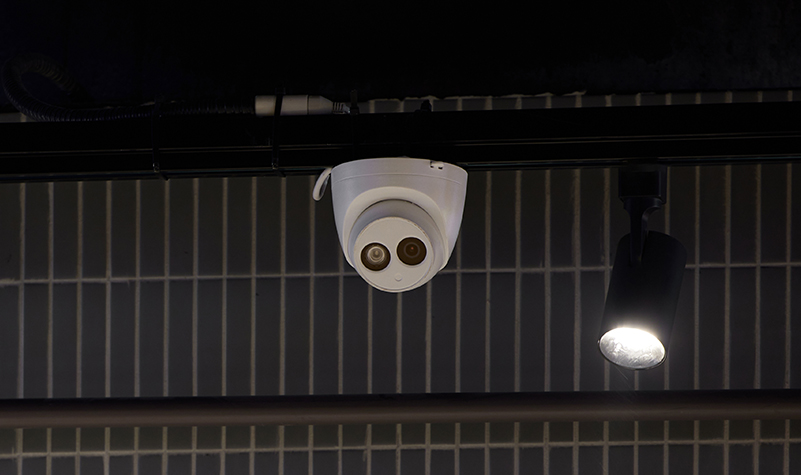
ISCS typically uses independent parallel A/B dual networks; we offer two schemes for different reliability levels.
ISCS systems generally use A/B dual-network independent and row architecture. We provide two sets of solutions to adapt to different levels of can reliability, etc.
Applicable scenarios:standard station ISCS system, renovation of existing lines.
Network solution status: single-loop two-node and double-loop two-node
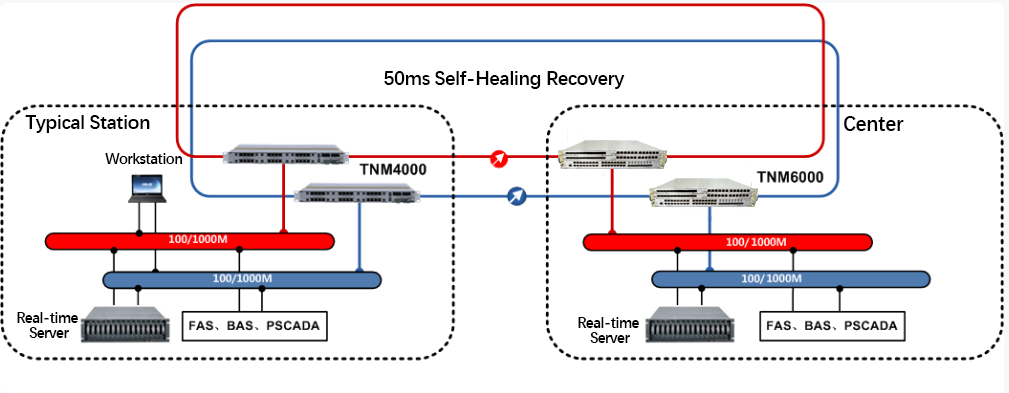
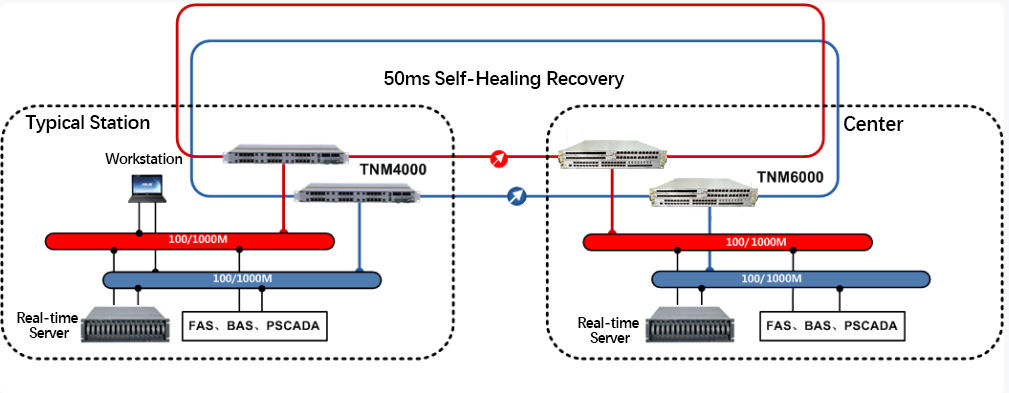
Each station deploys two independent redundant ring networks (A and B networks)
Self-healing of each ring network when the interval ≤ 50ms
The dual network ports of the terminal equipment and the server are respectively connected to the A network and the B network.
Each ISCS subsystem (such as Bas, FAS) passes the Din-Rail switch to connect to the two-loop network separately
Device adopts high MTBF, high Lifetimeindustrial switch
Typical applications: Wuhan Line 2, Hefei Line 1, Fuzhou Line 1, Haishi Line 10
Typical integrated monitoring network 1—Wuhan Line 2 ISCS
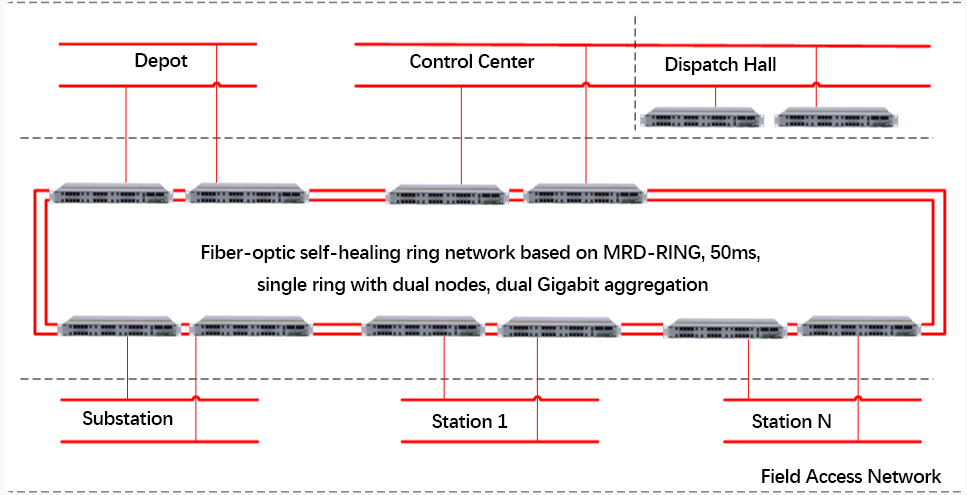 Comprehensive monitoring typical network 2—Hefei Line 1 ISCS
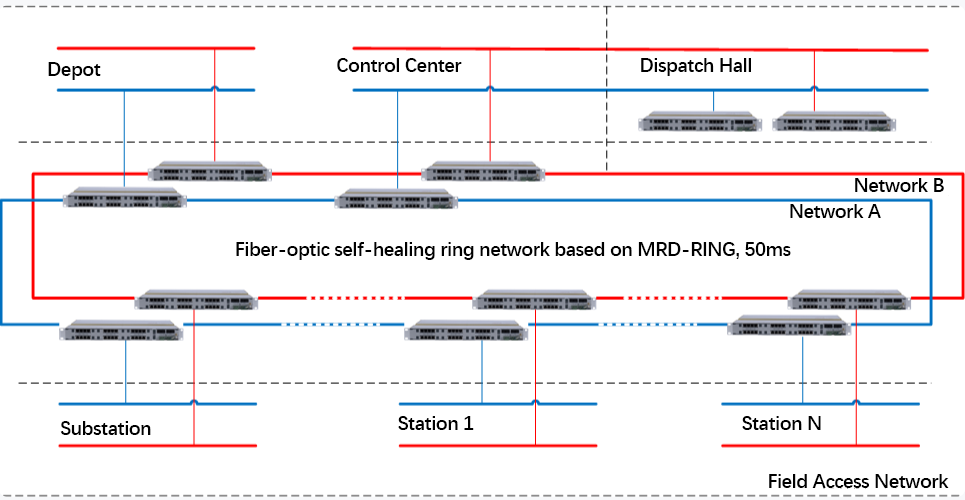 Comprehensive monitoring typical network 3—Fuzhou Line 1 ISCS
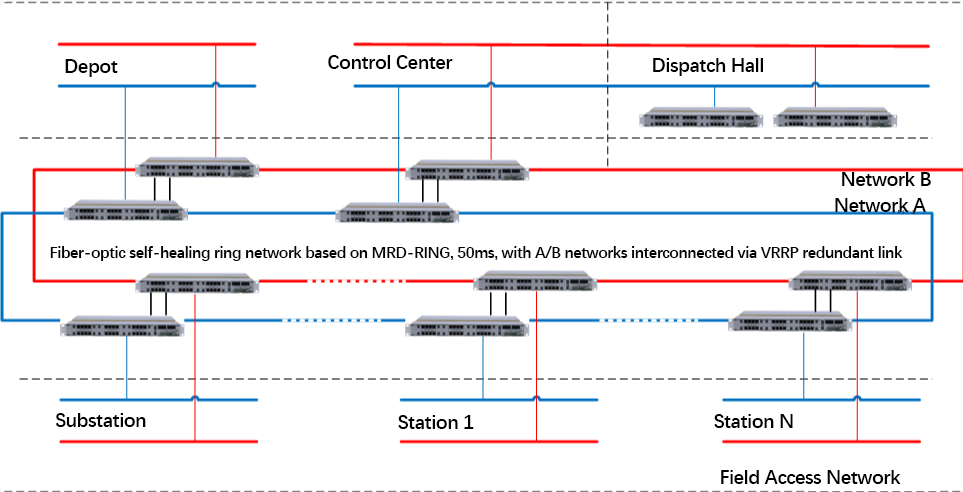 Integrated Monitoring Typical Networking 4 - Sea Line 10 ISCS
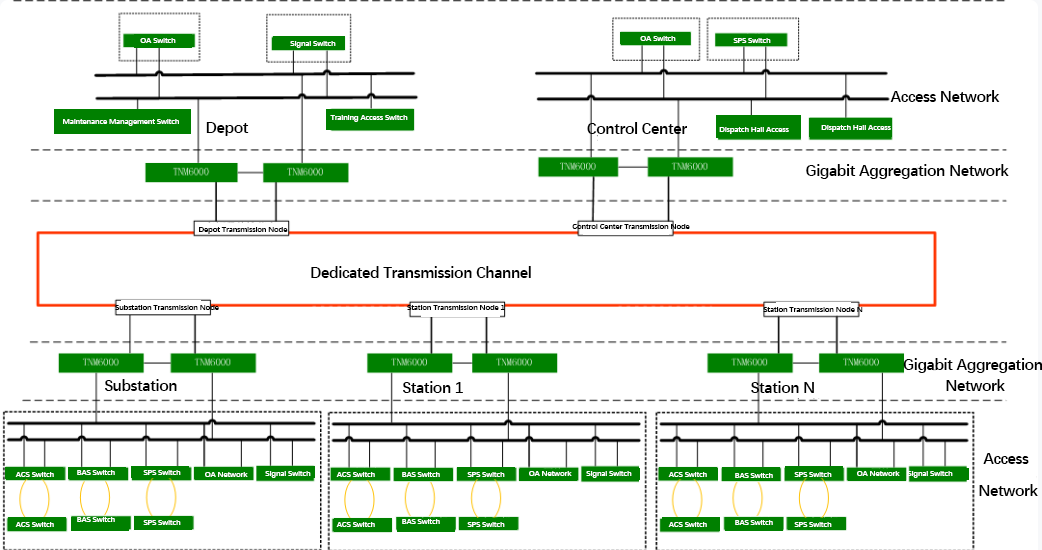 Comprehensive monitoring overall solution
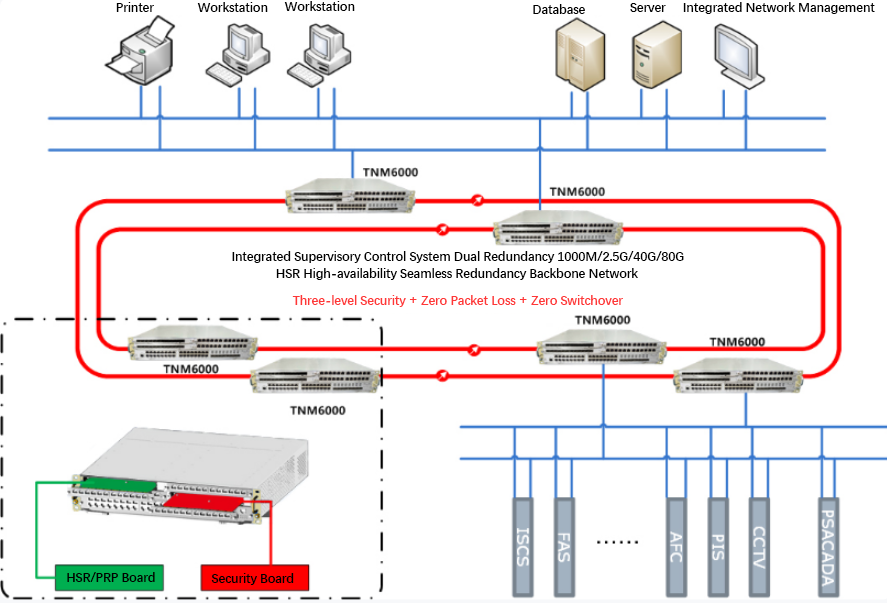 Option 2: Generation HSR/PRP zero-loss redundant solution (Ultimate can rely on)
Applicable scenarios:Fully automatic operation lines (GoA3/4), for zero breaking have mandatory core lines.
the scheme is based on IEC 62439-3 standard promulgated by the International Electrotechnical Commission (IEC):
HSR (high can reliability seamless redundant, IEC62439-3-5): dual send and receive, zero packet loss, zero switching
PRP (and line redundant protocol, IEC62439-3-4): dual network hardware level and line redundant
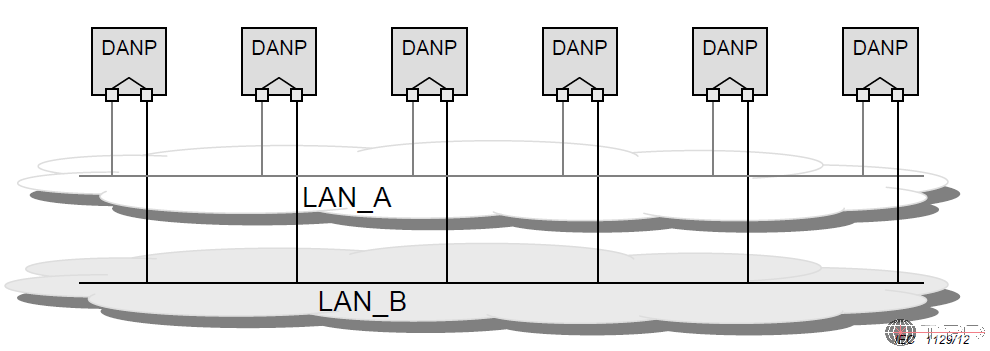
Traditional dual network: rely on software to detect the heartbeat, switch, save in tens of milliseconds.
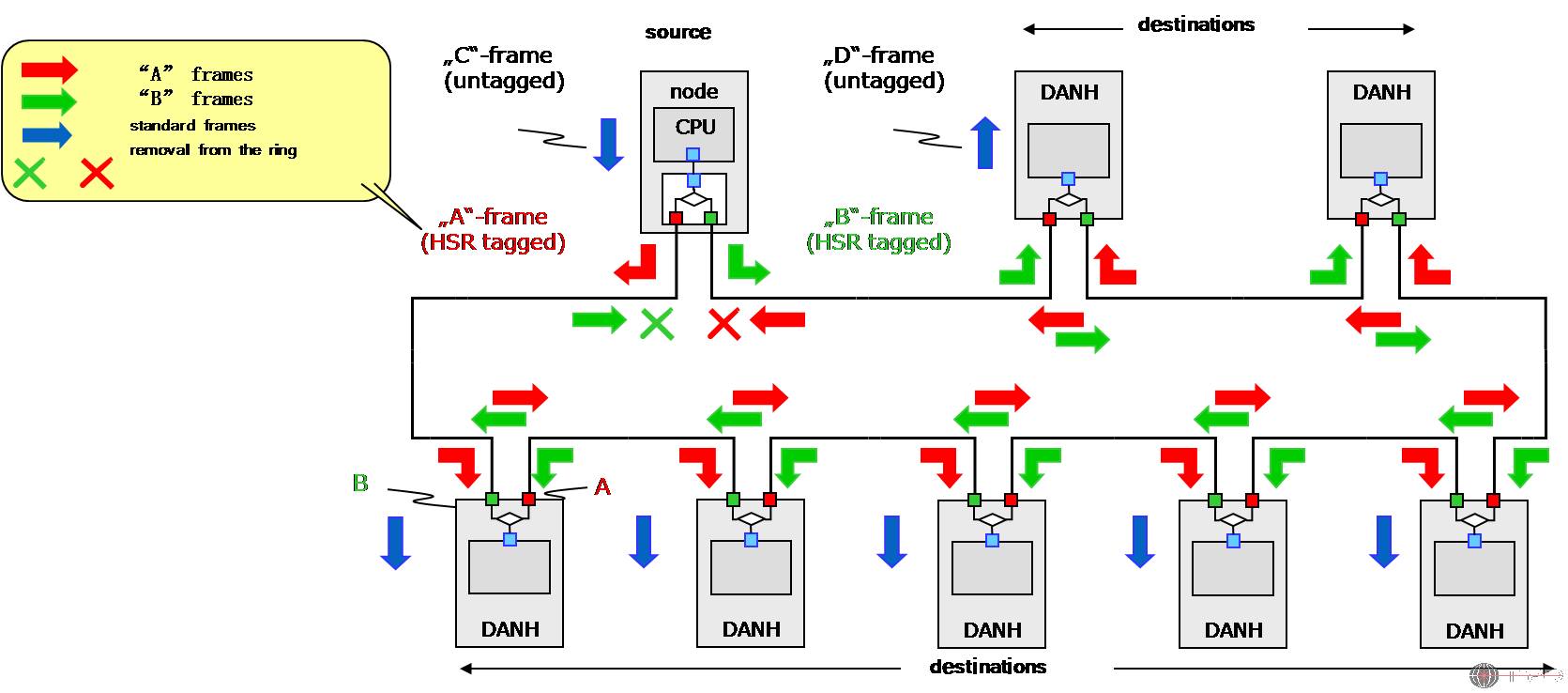
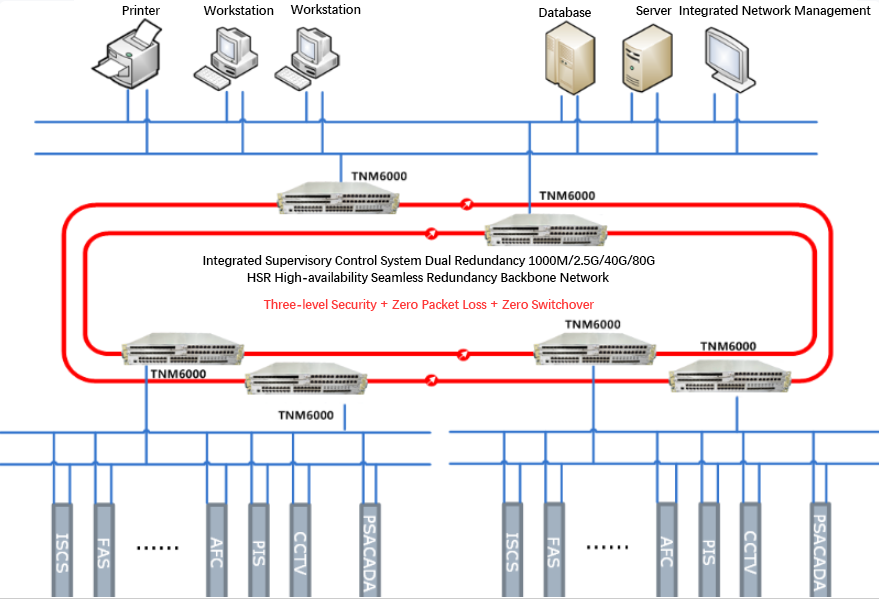
MRD HSR Scheme: Dual-Send Receiving Mechanism - The data packets are sent in both directions of the ring, and the receiver selects the first-to-reach packet. When there is no packet loss, switch between when and for 0 milliseconds.
HSR high can reliability seamless redundant backbone network
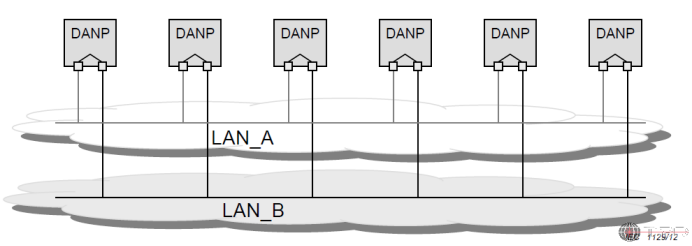
Each node (such as a PLC) is connected to two independent and physically isolated networks (A network and B network) at the same time. The node in the dual network has the same IP and MAC address, and the same data is sent to the dual network at the same time. Either of the A/B networks is completely ineffective, and the business has zero impact.
HSR + PRP Single IP Zero millisecond redundant network
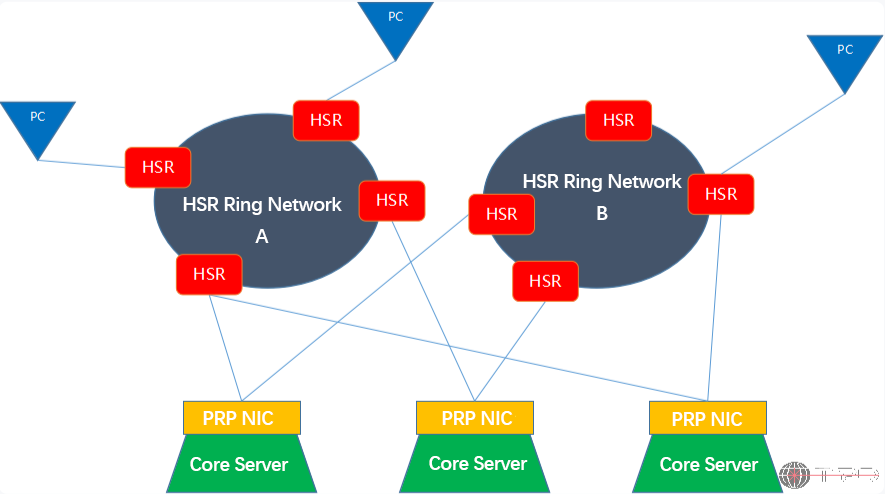 HSR + PRP Single IP Zero millisecond redundant network
 the can in backbone layer adopts HSR ring network, the access layer adopts PRP, and the achieves zero interruption from the terminal to the backbone.
One step closer: can rely on the software achieves A/B network switching, sinking to the hardware layer to complete, freeing up CPU resources.
for Customer Value
Meet the strict requirements of fully automatic operation line for network interruption, and prepare for future GoA4 level unmanned driving.
ISCS systems face three major security challenges: network structure risk, system vulnerability risk, and protocol risk. Traditional IT firewalls do not recognize industrial control protocols, and anti-virus software often affects system stability. for this reason, MRD has launched a three-level security protection module designed specifically for ISCs to isolate and protect station for units.
| protection hierarchy | Core functions | Technology achieves |
|---|---|---|
| Smart protection | Only specific format data passes are allowed; for all access ISCS system data flows for control protection | Packet format, key bits, flow depth query and control |
| Audit testing | Illegal access monitoring; network for auditing | Real when detects abnormal access and records the entire network access log |
| Host protection | Deny viruses/Trojans; Deny unauthorized USB access; Deny unauthorized processes; Deny unauthorized network access | Terminal whitelist mechanism, USB port control |
| data isolation | One-way transmission characteristics to ensure that the packet has no one-way passes and no feedback; prevent important data leaks | One-way gatekeeper technology, physical grade data diodes |
Security module product form
We provide two deployment methods to flexibly adapt to different security, etc. level requirements:
Embedded security board: Can be plugged into a TNM6000/TNM4000 modular switch, eliminating the need for a separate device and simplifying the architecture.
Stand-alone security gateway: for high security, etc. level areas.
Core technical features:
Status packet detection firewall: supports IP and MAC address filtering
Layer-2 bridge mode: no IP address, zero impact for existing networks, very safe
Protocol-level in-depth capacity checking: Supports Modbus/TCP, OPC, Ethernet/IP, etc. industrial control protocols
Simple deployment and management: modular board, plug and play
for Customer Value
One set of solutions solves the four major problems of network security partitioning, industrial control protocol identification, host reinforcement, and data one-way isolation, to meet, etc. Warranty 2.0 for rail transit Critical Information Infrastructure Requirements.
MRD and Germany AP Sensing (formerly the core technology inheritor of Agilent Technology) cooperate in depth to provide a distributed optical fiber temperature measurement (DTS) system as a key sensing layer for ISCs in tunnel fire monitoring and battery pack thermal runaway warning scenarios.
TNM4000 series linear fiber optic sensing monitoring equipment
| characteristic | Technical indicators | for ISCS Value |
|---|---|---|
| Measure distance | 2/4/8/20/30/40/50kmcan selection | Covering long tunnel sections |
| Sampling interval | <4km when 0.15m;>4km when 0.25m | Submeter level positioning fire point |
| Temperature accuracy | standard deviation ± 0.6°C | Accurate early warning of thermal runaway |
| Measurement mode | Single- or double-ended (fiber-optic cable redundant) | Fiber optic cable rupture can continue to be monitored |
| temperature range | -250℃ to +750℃ | The same when adapting to low-temperature environments and high-temperature fires |
| Technical principles | Raman scattering + optical when domain reflection (OTDR) | Continuous No Dead Angle Temperature Measurement |
| Fire certification | EN54-22 / UL521 / ULC-S530 / FM / KFI | The world’s most comprehensive fire protection certification, with over 2,000 units installed worldwide |
| open interface | Supports Modbus protocol and SCPI programming instructions | Seamless access to ISCS system |
for Customer Value
A set of optical fibers that solve tunnel fire warning and battery health monitoring at the same time, passive, EMI-resistant, and covering several kilometers, are the differentiated tools of ISCs in the "perception layer".
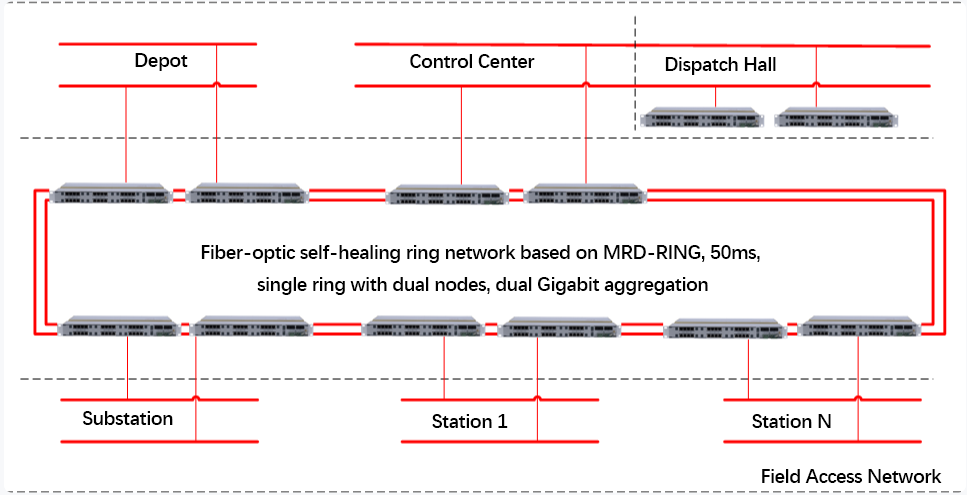
Wuhan Line 2, Hefei Line 1, Fuzhou Line 1, Haishi Line 10, etc. The line has adopted the MRD™ Meridian ® ISCs dual network redundant scheme.
Classic dual redundant ring network, A/B independent dual network, each self-healing between when ≤ 50ms, verified the long-term stable operation of comprehensive monitoring scenarios.
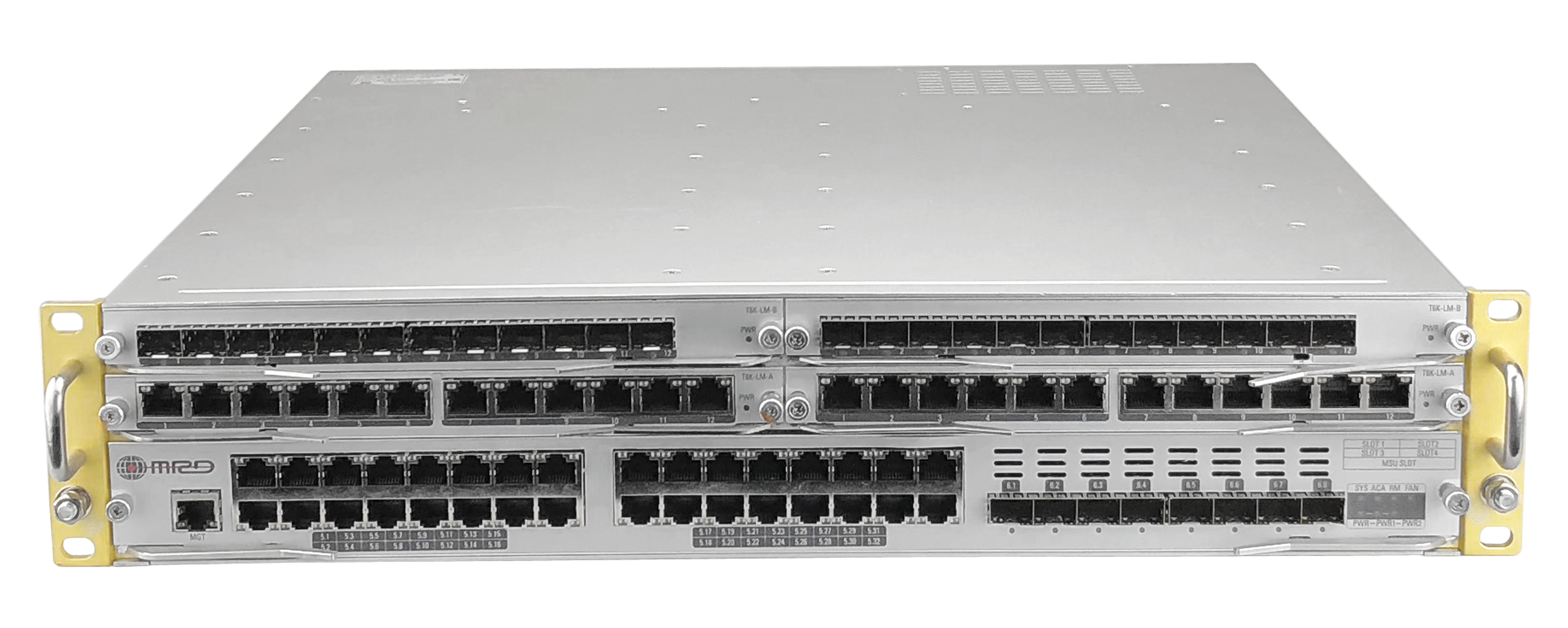
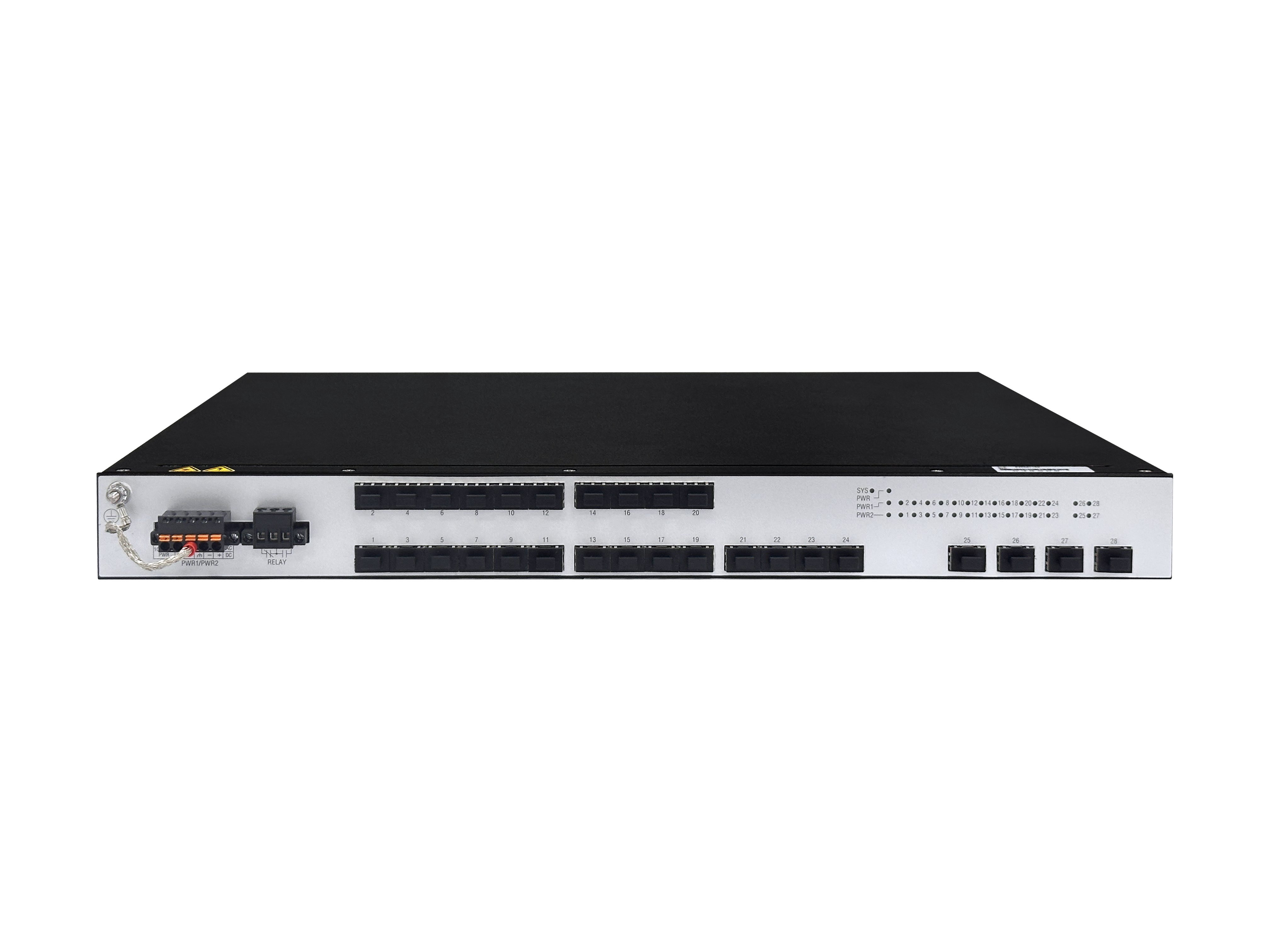
Up to 80 Gigabit + 8×10G ports; PoE IEEE 802.3af/at; any two ports can form self-healing rings with multiple independent rings; Layer-2 QoS rate limiting and traffic shaping for tiered Ethernet bandwidth services
More| Products | Critical capability | Sort | Descriptions |
|---|---|---|---|
| TNM6000 core industrial switch | Maximum support 80 Gigabit ports +8 10g ports can support PoE power supply, support IEEE 802.3af, 802.3atstandard can support any two... | eth-l3-mgt | See product details |
Every solution is built on relentless pursuit of product fundamentals. We disclose the following design details for the most demanding engineering review:

MTBF (Mean Time Between Failures)
Device-level stress prediction based on the SR-332 algorithm; system MTBF exceeds one million hours.
Service Life
Not only datasheet ratings—measured estimates based on electrolytic capacitor capacitance fade at minimum operating parameters @ operating temperature.
High-reliability dual-network redundancy, three-level security, and distributed fiber sensing—one-stop ISCS network + security + sensing.

HSR/PRP fully complies with IEC 62439-3 for zero-interruption FAO networks.

Security modules perform deep protocol inspection for Modbus/TCP, OPC, EtherNet/IP—not a generic firewall port.

Partnered with AP Sensing (former Agilent core tech); among the world's most complete fire certifications; 2000+ installations.
Hotline: 86-21-58330762
Zip: 201203
Email: sales@mrdcom.net
Address: No.123 Curie Road, China (Shanghai) Pilot Free Trade Zone




Copyright 2026 MRD Co LTD . All Rights Reserved Shanghai ICP No.12035199

Use cases: standard station ISCS and existing-line retrofit.
It supports two typical networking modes, single-ring, double-node and double-ring, and is suitable for stations of different sizes.
Each station deploys two independent redundant ring networks (A network and B network), and each ring network heals itself when the interval is ≤ 50ms.
The dual network ports of the terminal equipment and the server are respectively connected to the A network and the B network.
The Din-Rail switches at the passes end of each ISCS subsystem (such as Bas, FAS) are respectively connected to the two-ring network.
The equipment adopts high MTBF and high life industrial switch.
Typical applications:Wuhan Line 2, Hefei Line 1, Fuzhou Line 1, Haishi Line 10.
Use cases: GoA3/4 fully automatic lines and core lines requiring zero interruption. Based on IEC 62439-3.
The traditional dual network relies on software to detect the heartbeat, switch, and save for tens of milliseconds. The MRD HSR scheme uses a dual-send and receive mechanism - the data packets are sent in both directions of the ring, and the receiver selects the first-to-reach packet. When there is no packet loss, switch between when and for 0 milliseconds.
Each node (such as a PLC) is connected to two independent and physically isolated networks (A network and B network) at the same time. The node in the dual network has the same IP and MAC address, and the same data is sent to the dual network at the same time. Either of the A/B networks is completely ineffective, and the business has zero impact.
the can in backbone layer adopts HSR ring network, the access layer adopts PRP, and the achieves zero interruption from the terminal to the backbone. can rely on the software achieves A/B network switching to the hardware layer to complete, freeing up CPU resources.
for Customer Value:Meet the strict requirements of fully automatic operation line for network interruption, and prepare for future GoA4 level unmanned driving.