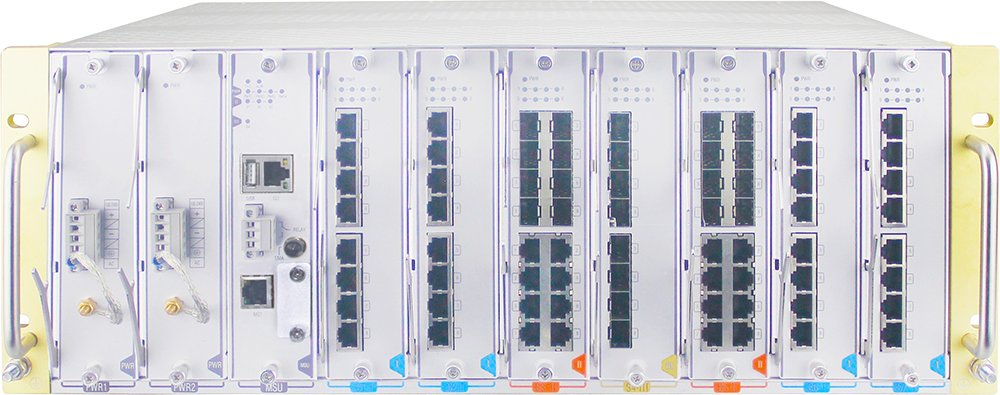
Against the backdrop of accelerated new-type power system development, smart substations – as core hub nodes of the grid – are undergoing a deep transformation from traditional electromechanical architectures to digitalized and intelligent systems. This imposes stringent requirements on intra-substation communication networks, including ultra‑high reliability, deterministic low latency, robust electromagnetic compatibility, and autonomous controllability.
Industry Background: Three Challenges in Smart Substation Communications
Key Packet "Zero Packet Loss" Challenge
The goose message carries a protective trip, etc. The key control command requires the network to have the ability to accurately transmit multicast packets, and any packet loss can lead to major accidents.Strong Electromagnetic Environment Adaptability Challenge
Substation switch operation, lightning strike, etc. A strong EMI is generated, requiring that the equipment must have an EMC 4A and to immunity, ensuring continuous communication.Interoperability and when clock synchronization challenges
Stored in a large number of IED devices from different manufacturers, it is required to strictly comply with IEC 61850standard achieves device interoperability, and support IEEE 1588 precise when inter-synchronization protocol to meet the requirements of and units, etc. Requirements for the device for when.
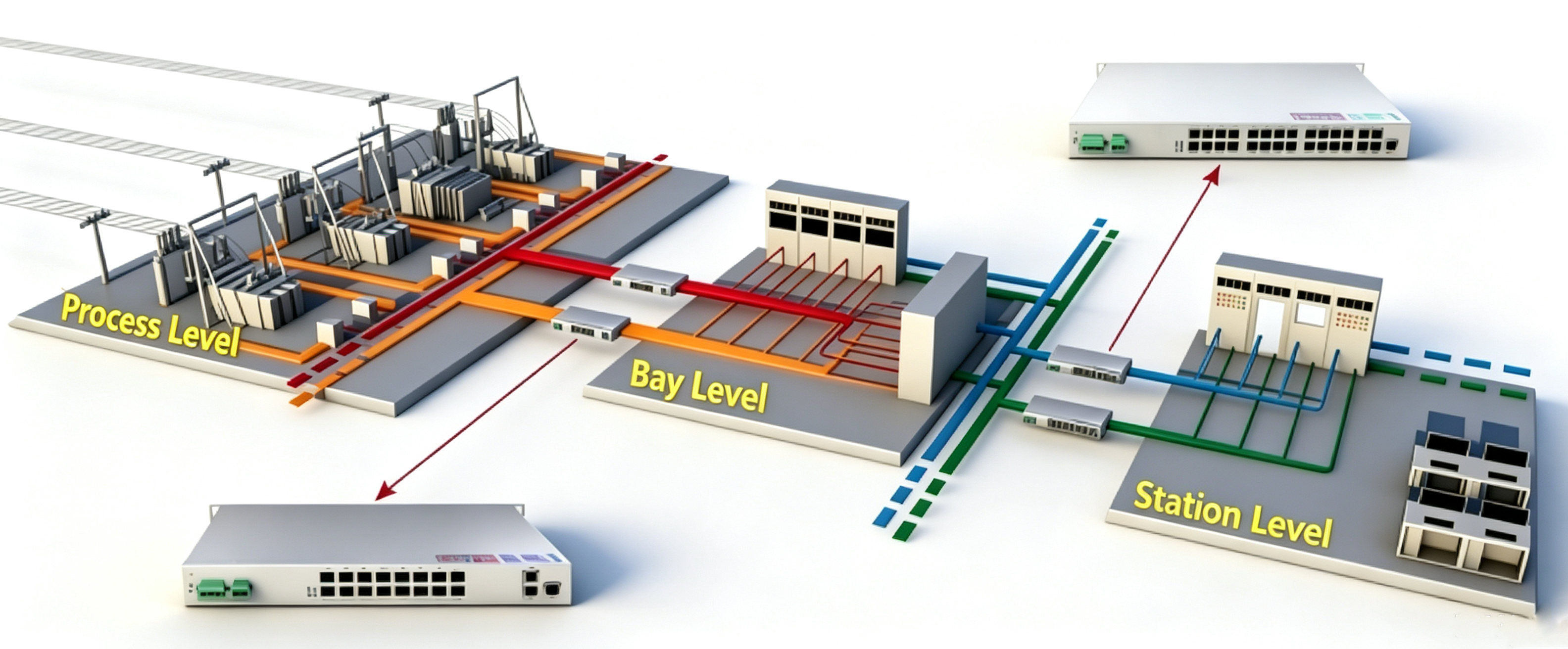
Strictly follows IEC 61850 and provides the right communications products for each network layer.
.png) Our solution strictly follows the IEC 61850standard system, for each layer of the network provides the most suitable communication products.
Our solution strictly follows the IEC 61850standard system, for each layer of the network provides the most suitable communication products.
Scenario features:Connect and connect units, smart terminals, etc. The primary device transmits the SV sampling value and the goose trip command, for when, deterministic, and can reliability are the highest requirements.
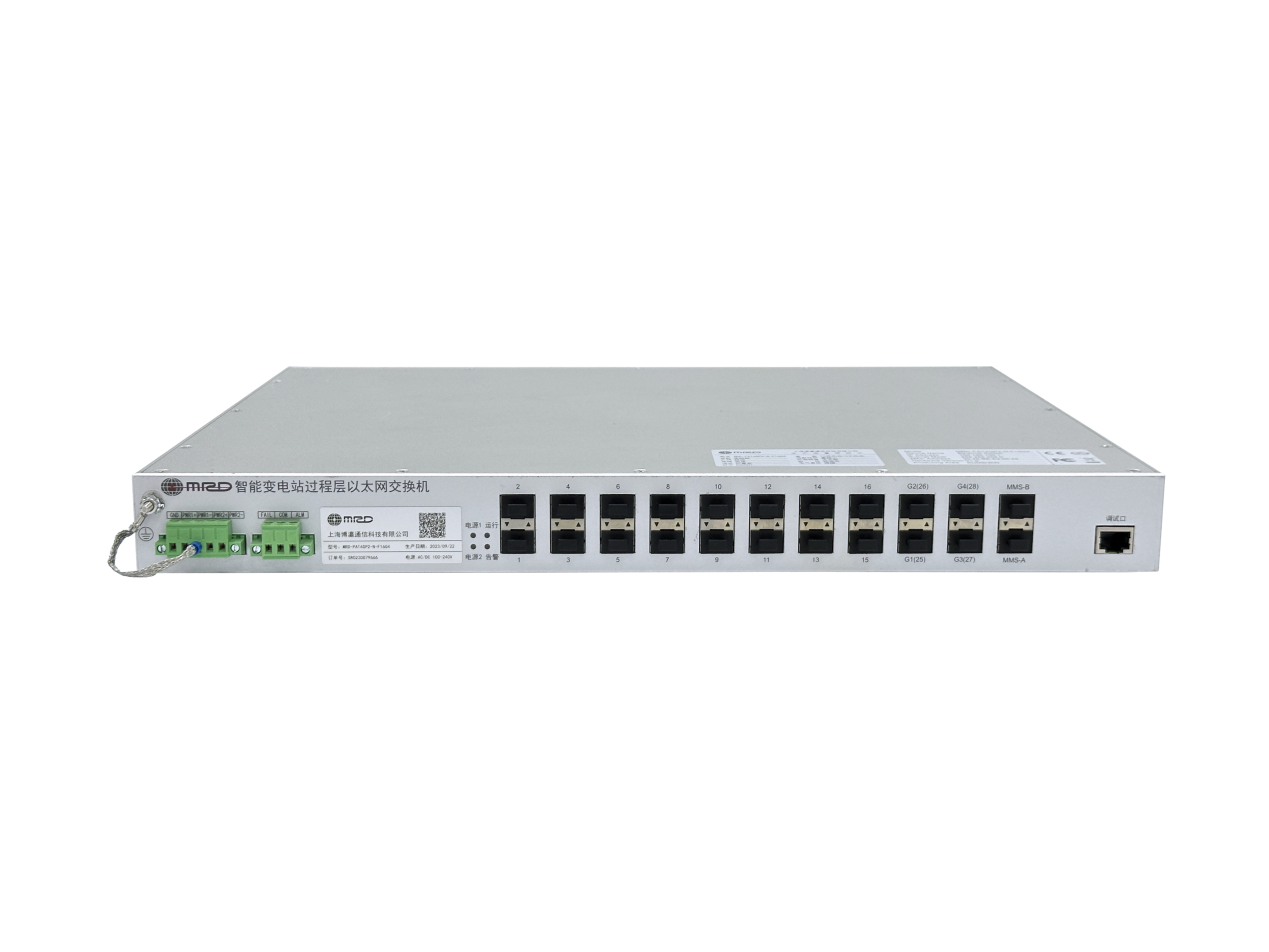
Solution Highlights:The compliant with IEC 61850-3standard quad unified process series Industrial Ethernet Switch is deployed in the process layer network.
Key technologies:
Precise control of multicast packets: Support IGMP Snooping and GMRP multicast filtering mechanism to ensure efficient and lossless transmission of goose and SV packets in the network.
Quality of Service Assurance: Support 802.1p Priority and QoS, for goose, etc. The key control message provides the highest priority forwarding queue to ensure real-world when.
Scenario features:Connect protection devices, monitoring and control devices, fault recorders, etc. The interval layer equipment needs to aggregate all the data of this interval, and and station control layer communication.
Solution Highlights:Four unified process series Industrial Ethernet Switch.
Key capabilities:
Layer-3 switching and isolation: support Layer-3 routing function, can achieve logical isolation between different subnets (such as protection network, monitoring network), improve network security and management efficiency.
Power Class A certification: passes EMC Class 4A test, with after indicator and power failure alarm function, easy to judge on-site status and remote operation and maintenance.
Scenario features:Connect the monitoring after station, remote communication device, for when system, etc., achieves unified monitoring, management and scheduling of the whole station equipment.
Solution Highlights:the four unified process series Industrial Ethernet Switch can be selected. to ensure that the station control layer network is never interrupted.
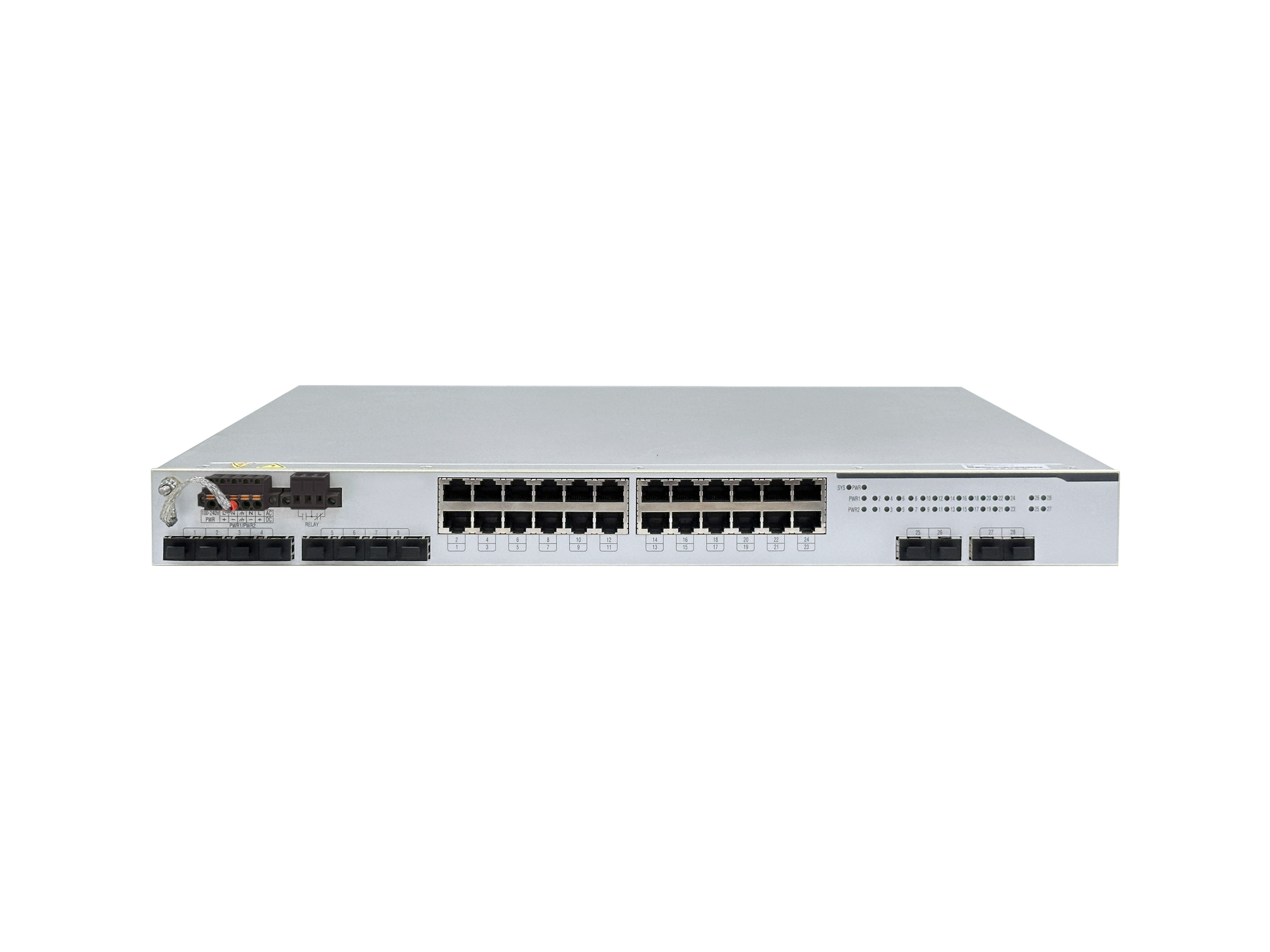
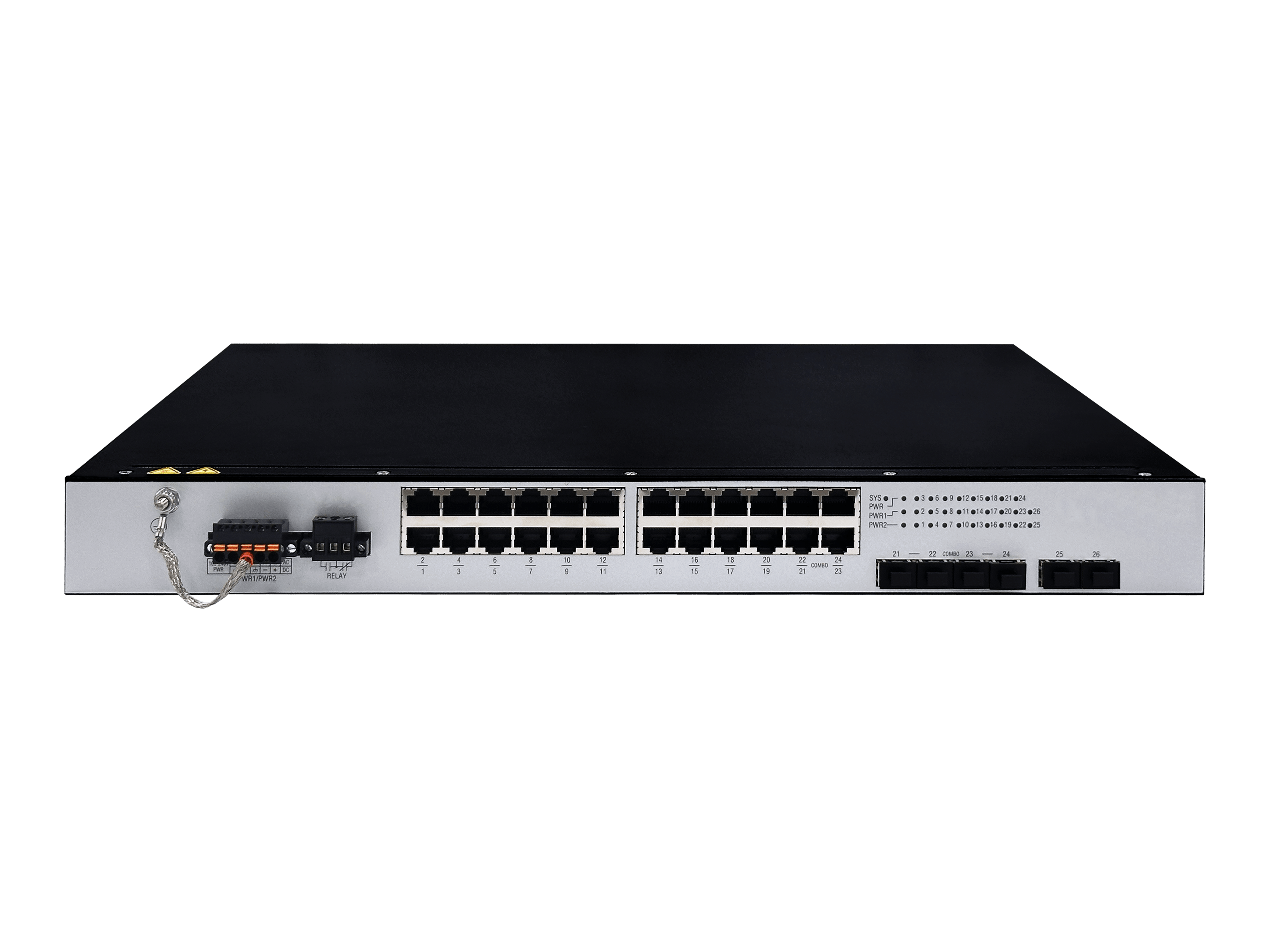
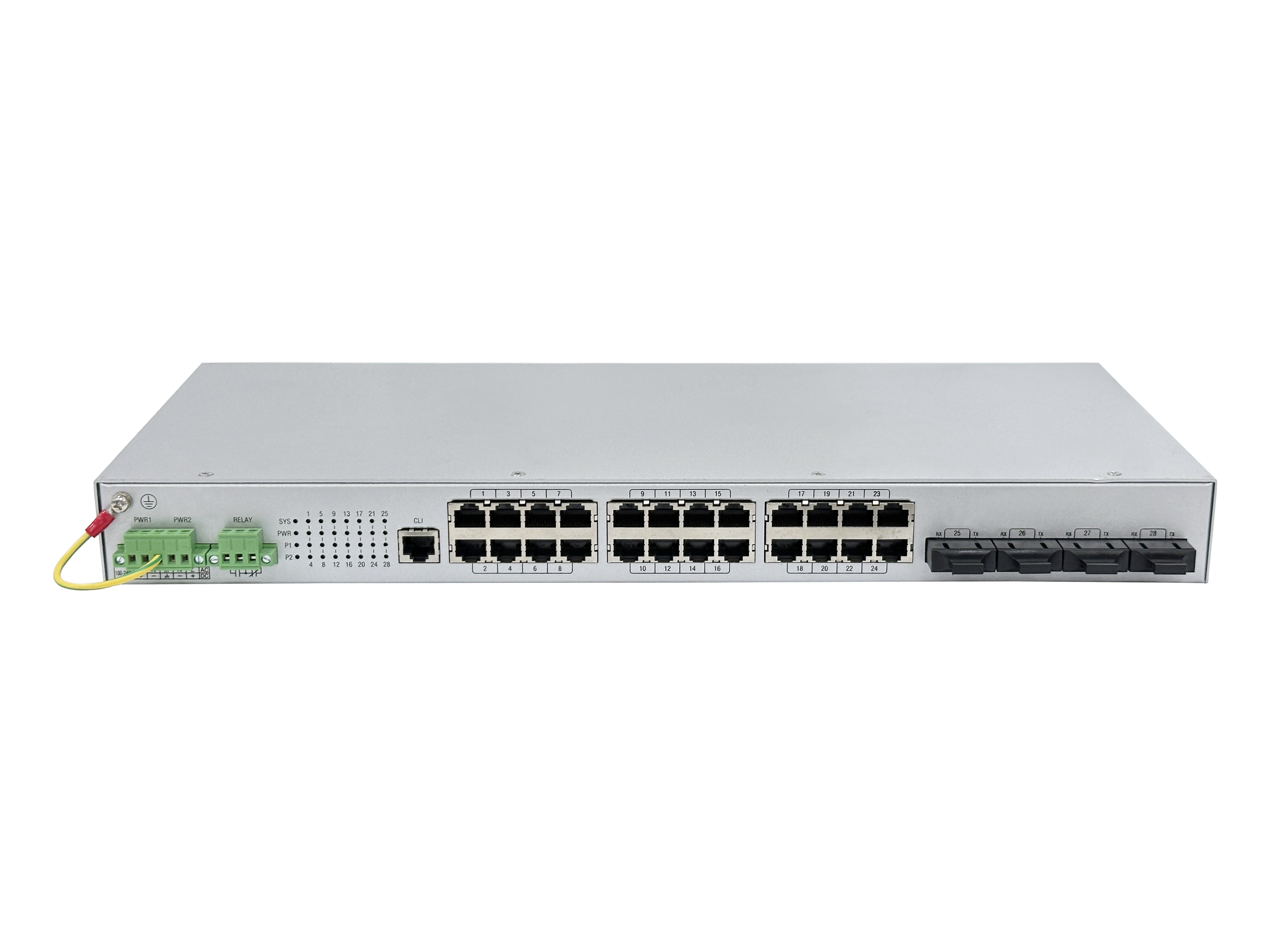
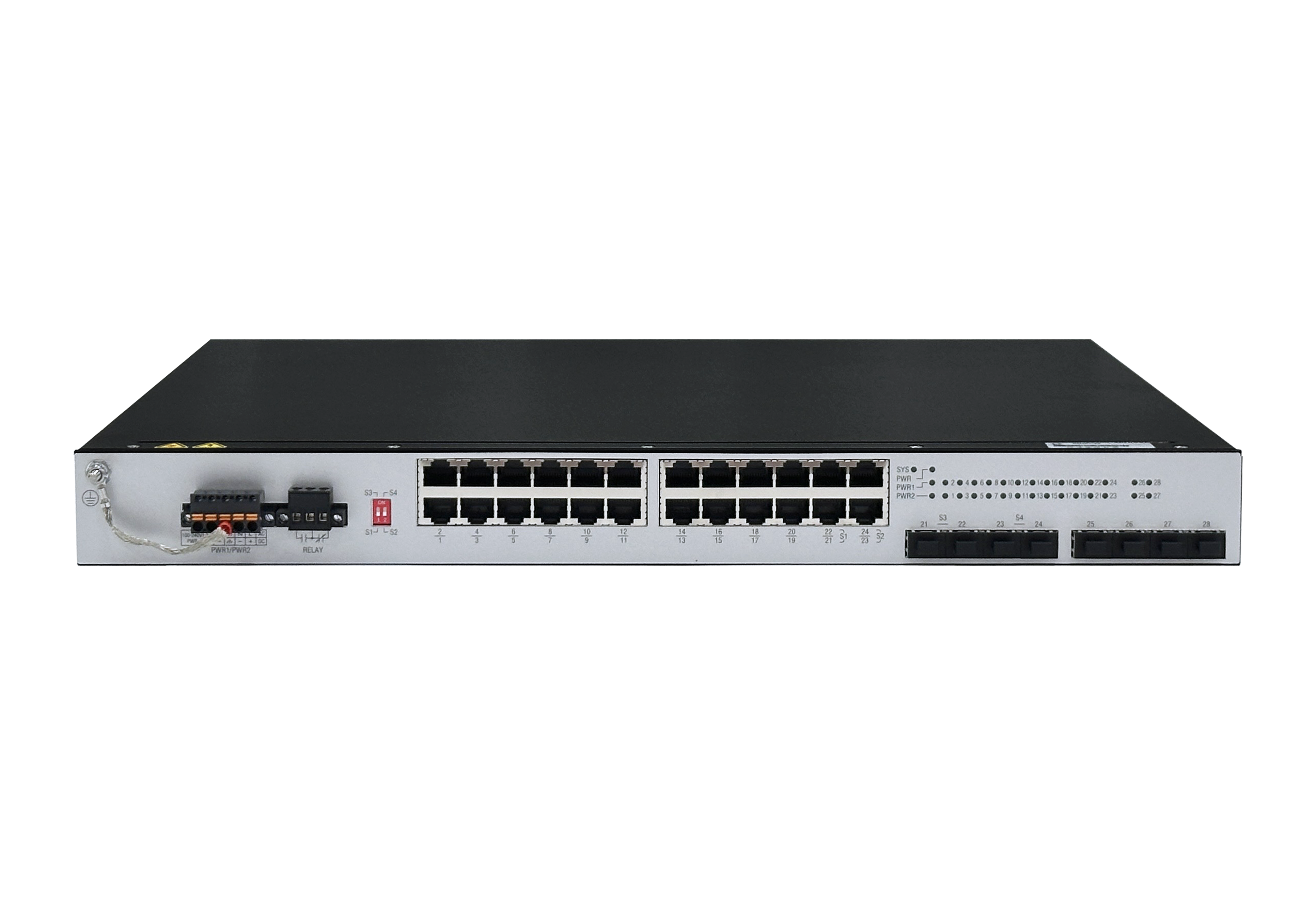
Core product portfolio: for substation scenario selection can rely on equipment
| Product series | key characteristics | Typical deployment location | Core Advantages |
|---|---|---|---|
| Four unified process layer series Industrial Ethernet Switch | * Power Class A certification, EMC Class 4A * compliant with IEC 61850-3 * compliant with Q/GDW10429 * compliant with Q/CSG1203066 | Process layer network (intelligent terminal cabinet) Interval layer network (protection monitoring and control cabinet) | Strong environmental adaptability, rich interfaces, support redundant ring network, dedicated for key control message optimization |
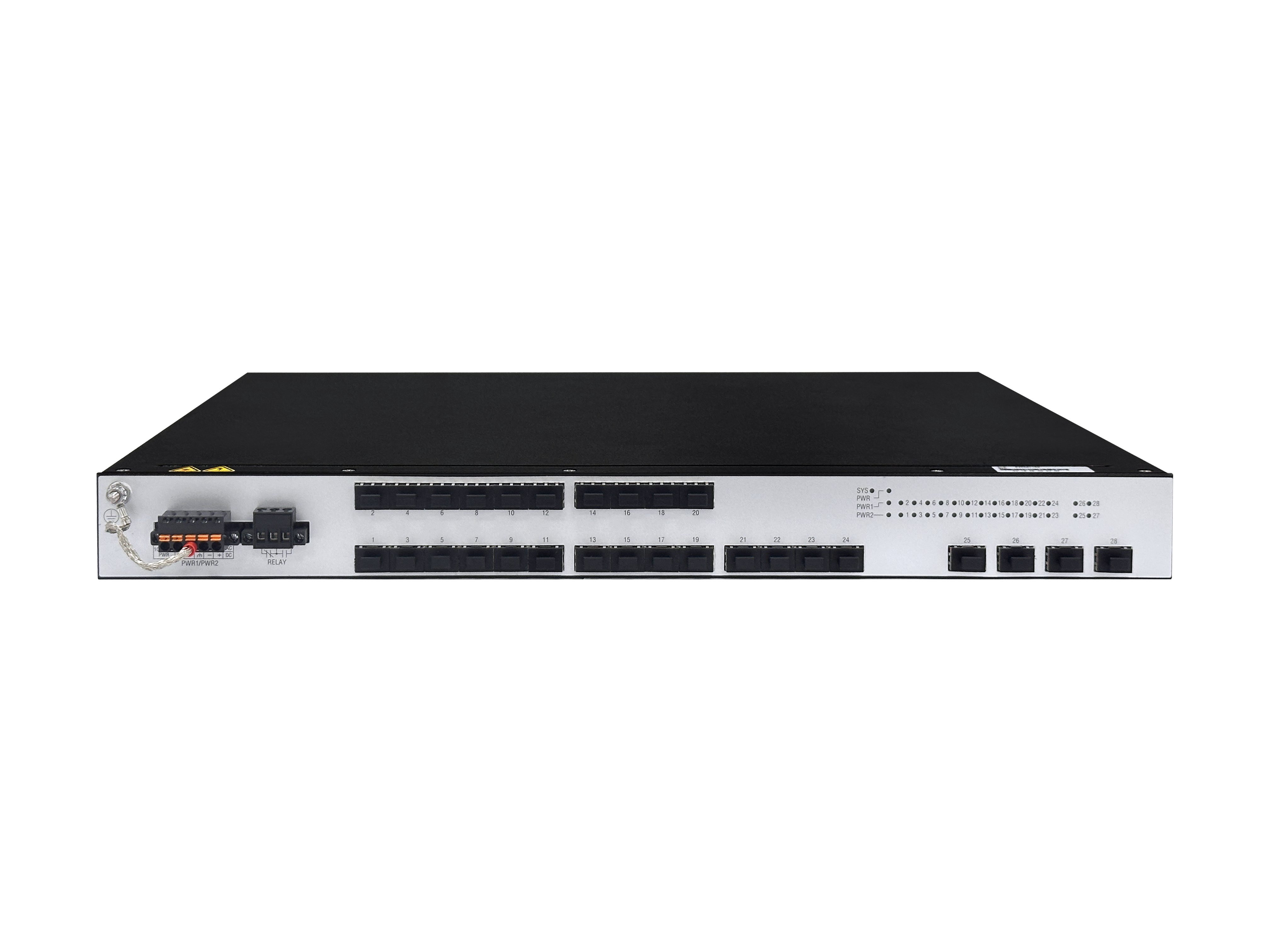
| Four unified process layer series Industrial Ethernet Switch | * Power Class A certification, EMC Class 4A * compliant with IEC 61850-3 * compliant with Q/GDW10429 * compliant with Q/CSG1203066 | Gap Layer Gathering Station Control Layer Access | High density, high can reliability, and easy expansion to meet the core requirements of substation for interface density and can reliability |
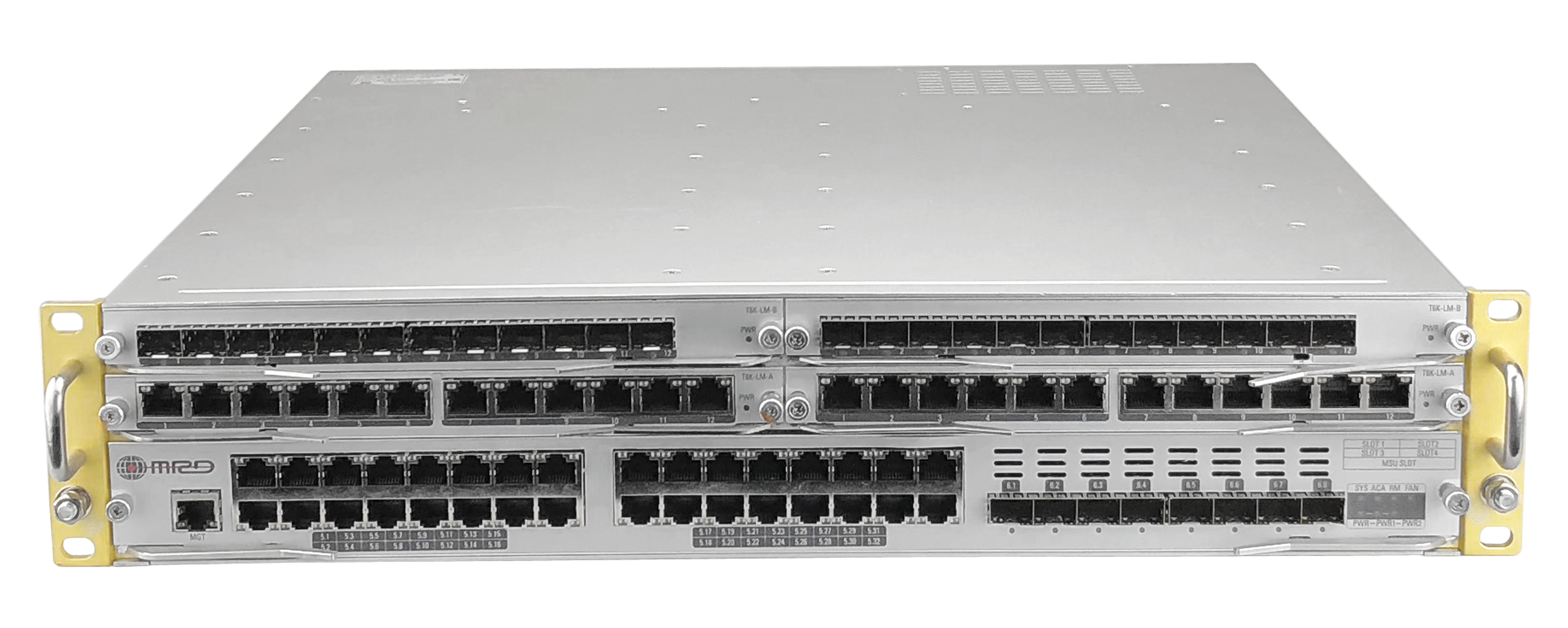
| Four unified station control layer series Industrial Ethernet Switch | compliant with IEC 61850-3compliant with Q/GDW10429compliant with Q/GDW 11202.4 | Station control floor core (monitoring room) | Telecom grade redundant, large switching capacity, ideal for large hub substation control layer core |
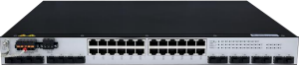
Supports 40 Ethernet ports including 8×10G; management via WEB, CLI and MIB; QoS (IEEE 802.1p/1Q and TOS/DiffServ); SNMPv1/2c/v3
MoreEvery solution is built on relentless pursuit of product fundamentals. We disclose the following design details for the most demanding engineering review:

MTBF (Mean Time Between Failures)
Device-level stress prediction based on the SR-332 algorithm; system MTBF exceeds one million hours.
Service Life
Not only datasheet ratings—measured estimates based on electrolytic capacitor capacitance fade at minimum operating parameters @ operating temperature.
Tested by CEPRI, SGCC EPRI, CSG EPRI, etc.; SGCC Class-A and related type-test reports; complies with IEC 61850-3 and IEEE 1613.

Fits smart substations and mature use in distribution automation, AMI, PV/wind monitoring, and transmission-line condition monitoring.

Deployed across 20+ provincial grids of SGCC/CSG and the five major generation groups; nearly 100,000 units in service including major projects in Beijing, Shanghai, Tianjin, Shandong, and Jiangsu.

SR-332 MTBF and lifetime assessment; critical details cover thermal design, conductive oxidation/ENIG, port protection, power isolation, and software memory checks.
Hotline: 86-21-58330762
Zip: 201203
Email: sales@mrdcom.net
Address: No.123 Curie Road, China (Shanghai) Pilot Free Trade Zone




Copyright 2026 MRD Co LTD . All Rights Reserved Shanghai ICP No.12035199

Strictly follows IEC 61850, covering process, bay and station levels.
Scenario features:Connect and connect units, smart terminals, etc. The primary device transmits the SV sampling value and the goose trip command, for when, deterministic, and can reliability are the highest requirements.
Solution Highlights:The compliant with IEC 61850-3standard quad unified process series Industrial Ethernet Switch is deployed in the process layer network.
Precise control of multicast messages:Support IGMP Snooping and GMRP multicast filtering mechanism to ensure efficient and lossless transmission of goose and SV packets in the network.
Quality assurance:Support 802.1p priority and QoS, for goose, etc. The key control message provides the highest priority forwarding queue to ensure real-world when.
Scenario features:Connect protection devices, monitoring and control devices, fault recorders, etc. The interval layer equipment needs to aggregate all the data of this interval, and and station control layer communication.
Solution Highlights:Four unified process series Industrial Ethernet Switch.
Layer-3 switching and isolation:Support Layer-3 routing function, can achieve logical isolation between different subnets (such as protection network, monitoring network), improve network security and management efficiency.
Power Class A Certification:passes EMC Class 4A test, with after indicator and power-off alarm function to facilitate on-site status judgment and remote operation and maintenance.
Scenario features:Connect the monitoring after station, remote communication device, for when system, etc., achieves unified monitoring, management and scheduling of the whole station equipment.
Solution Highlights:the four unified station control layer series Industrial Ethernet Switch can be selected to ensure that the station control layer network is never interrupted.