
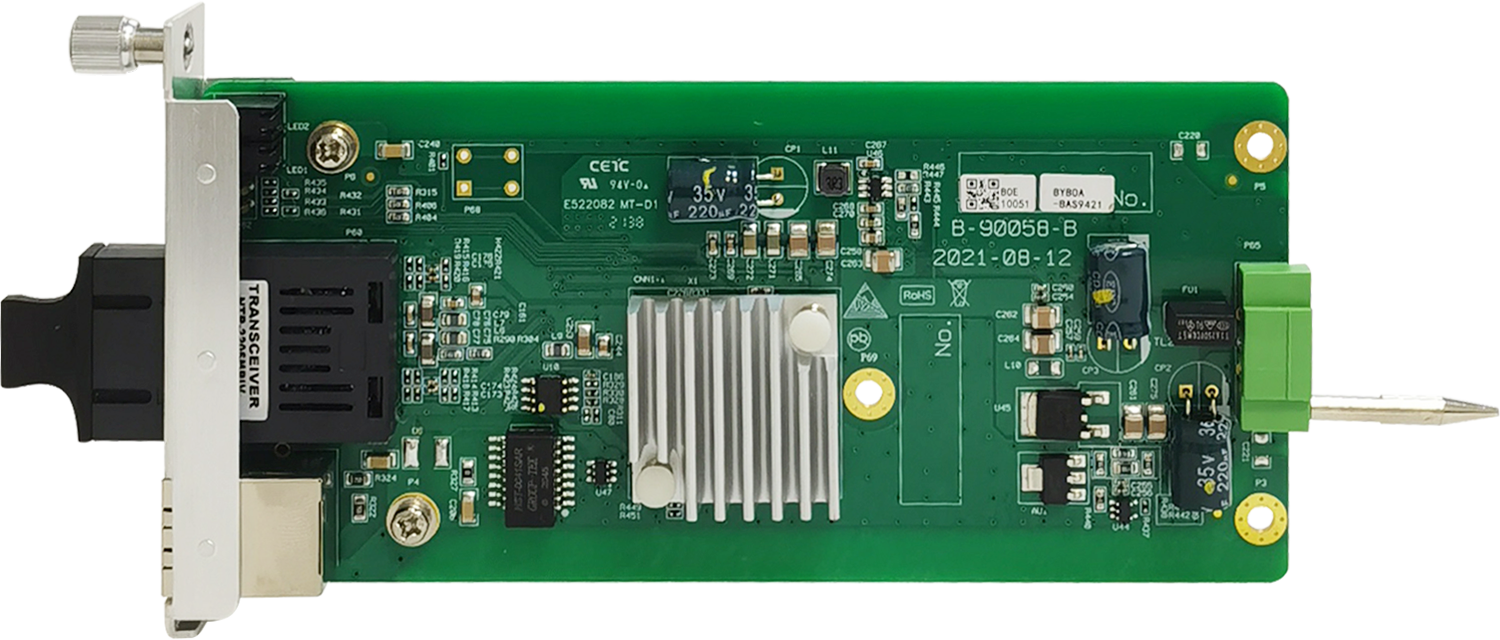

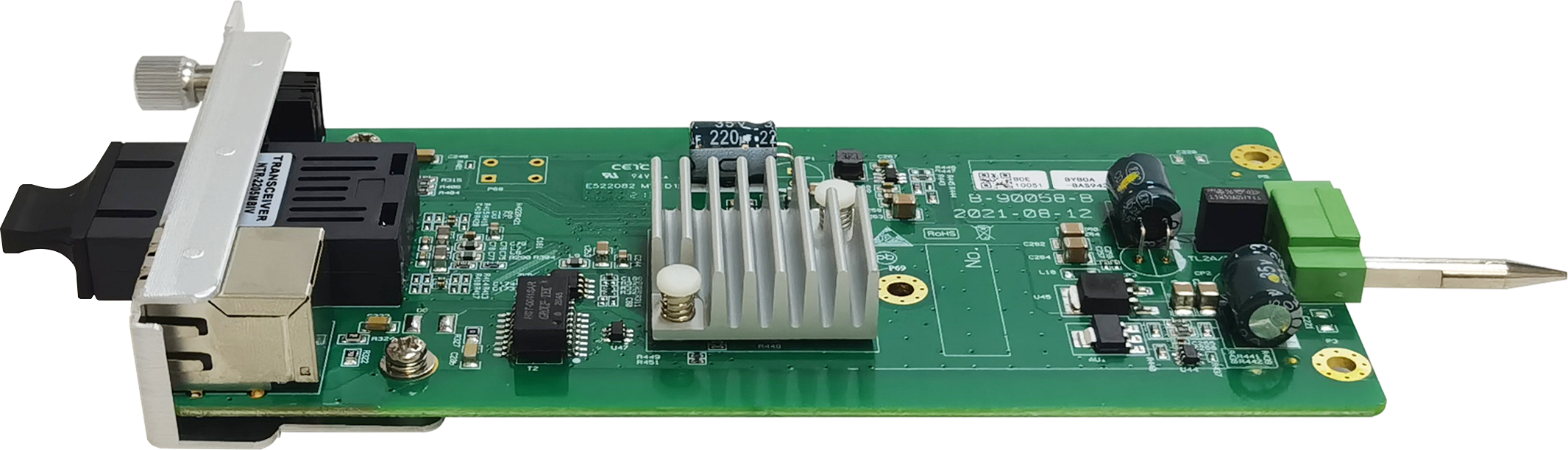
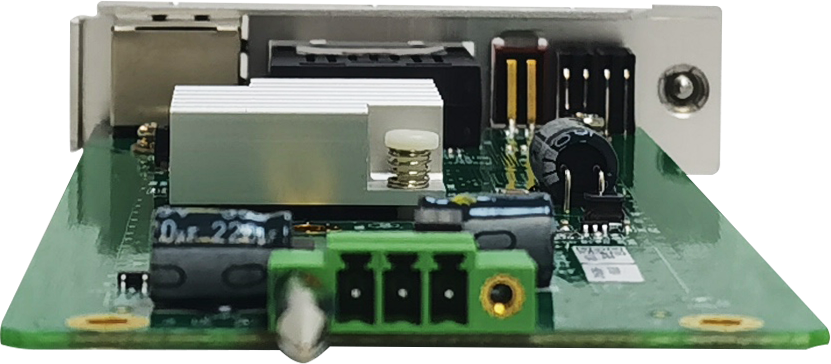
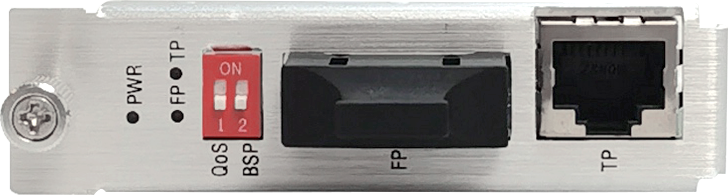
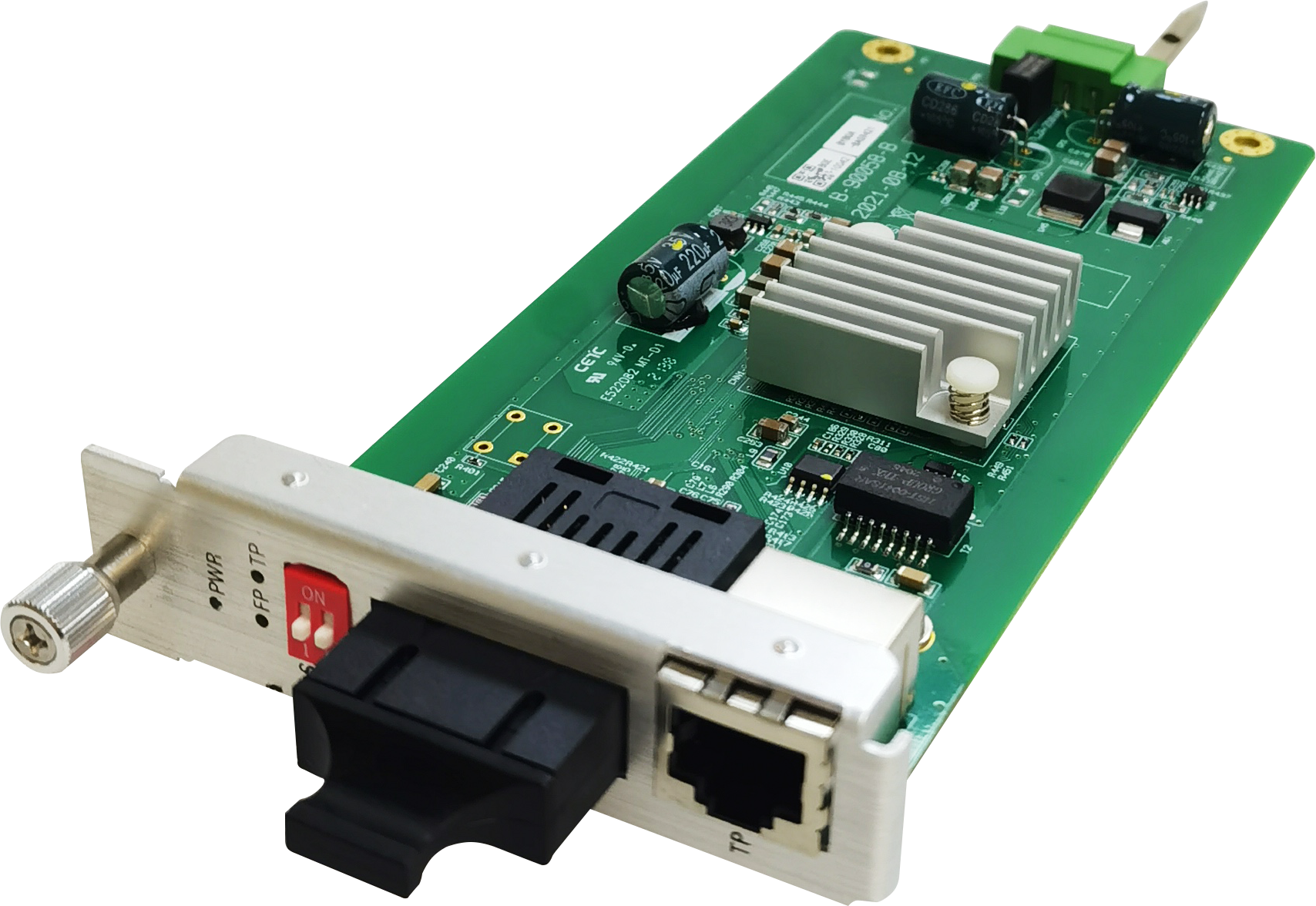
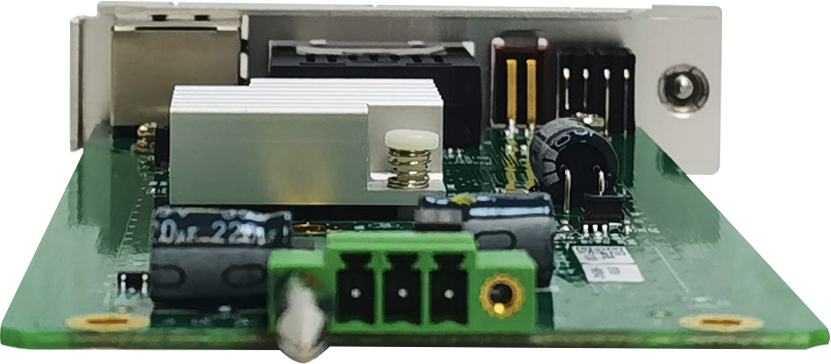
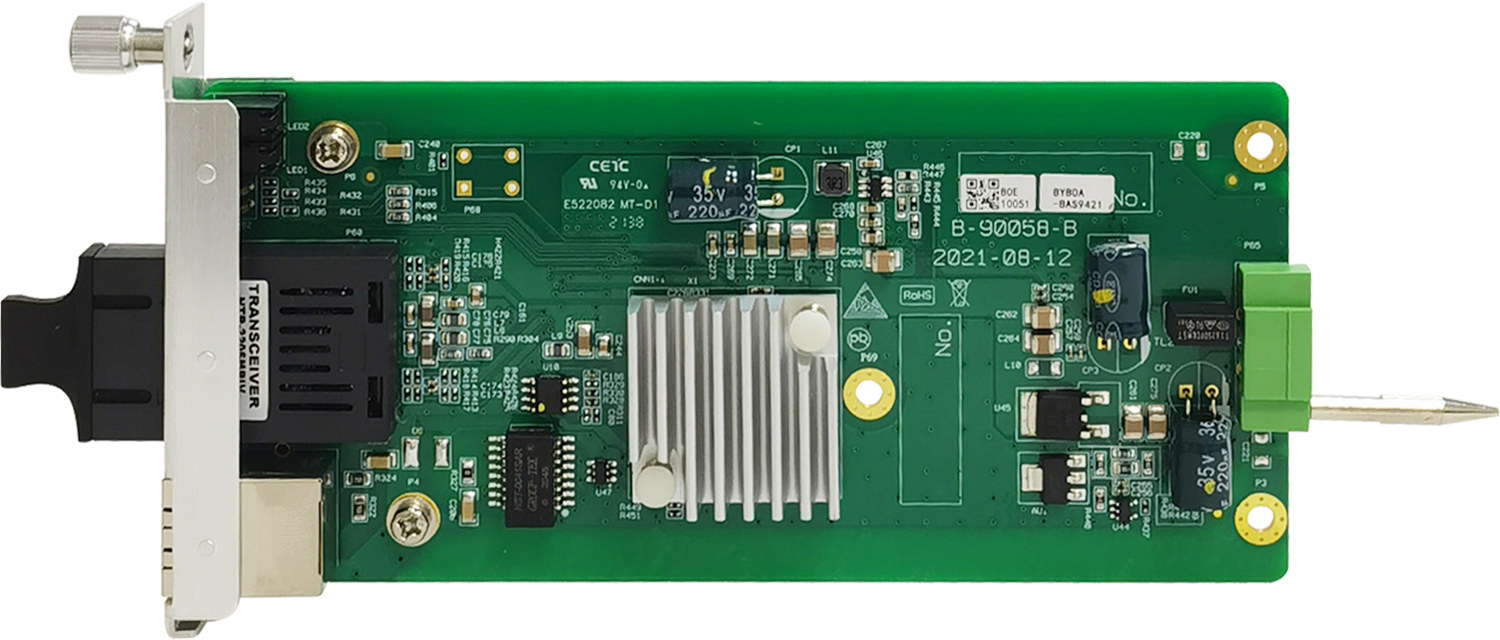
Supports 18 slots for compact applications
Supports redundant dual power inputs
Distributed design; each fiber transceiver module has an independent power module
Fanless; operating temperature -40℃ to +75℃
The MAK-A18HH chassis is a standard 19-inch 2U industrial fiber transceiver chassis with 18 slots for independent MSM series industrial fiber transceivers; all slots are universal with no fixed position/order.
The MAK-A18HH industrial fiber transceiver chassis supports redundant dual power inputs with distributed design; each service slot is powered independently to avoid single-point failure.
The cable is connected, but the port will not come UP / the link is down. What should I check?
+What are the PoE power specifications?
+Which ring protocols are supported, and what is the self-healing time?
+How should I choose between Layer-2 and Layer-3 industrial switches?
+Can non-OEM SFP optical modules work normally?
+How do I restore factory settings if I forget the device login password?
+What are the power supply requirements for industrial switches?
+What are the operating temperature range and protection rating of industrial switches?
+Standard 19-inch rack-mount 2U chassis
Supports 18 slots for compact applications
Supportsredundant dual power inputs
Full aluminum alloy all-black with Centauri software, 28-port Layer-2 managed industrial switch: 4×100/1000BaseX SFP + 24×10/100/1000BaseT, rack-mount. IP40; operating temperature -40°C ~ +75°C. 100~240V redundant dual isolated power. Includes power cord and mounting brackets.
aluminum alloy housing
Fanless, -40oC to +75oCoperating temperature
| Mounting method | rack mounting |
| housing | aluminum alloy housing |
| Dimensions (W*H*D) | 440mm*87.5mm*285mm |
| IPIngress protection | IP20 |
| Weight | 3.3 kg (max, without MSM modules) |
| Full-load power consumption | 33.63W (max) |
| Humidity | 5% ~ 95% (non-condensing) |
| operating temperature | ‐40°C~ 75°C |
| storage temperature | ‐40°C~ 85°C |
| connection | 3-pin socket with switch |
| Input voltage | 110-240VAC(50-60Hz) |
| Power input count | 2 |
| overload current protection | Supports |
| Product Safety | IEC/EN62368-1 |
| FCC | FCC 47 CFR Part 15 Class A |
| EMC | EN55032 EN55035 |

| Model | Product Specification |
| MAK-A18HH | 2U 19-inch rack chassis with 18 slots for MSM modules. Audible/visual alarm and 1 relay alarm (1A@24VDC). Redundant isolated 110-240VAC (50-60Hz) power input. IP20; operating temperature -40°C~+75°C. Accessories (sold separately) description |
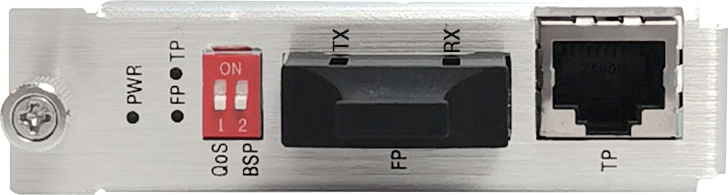
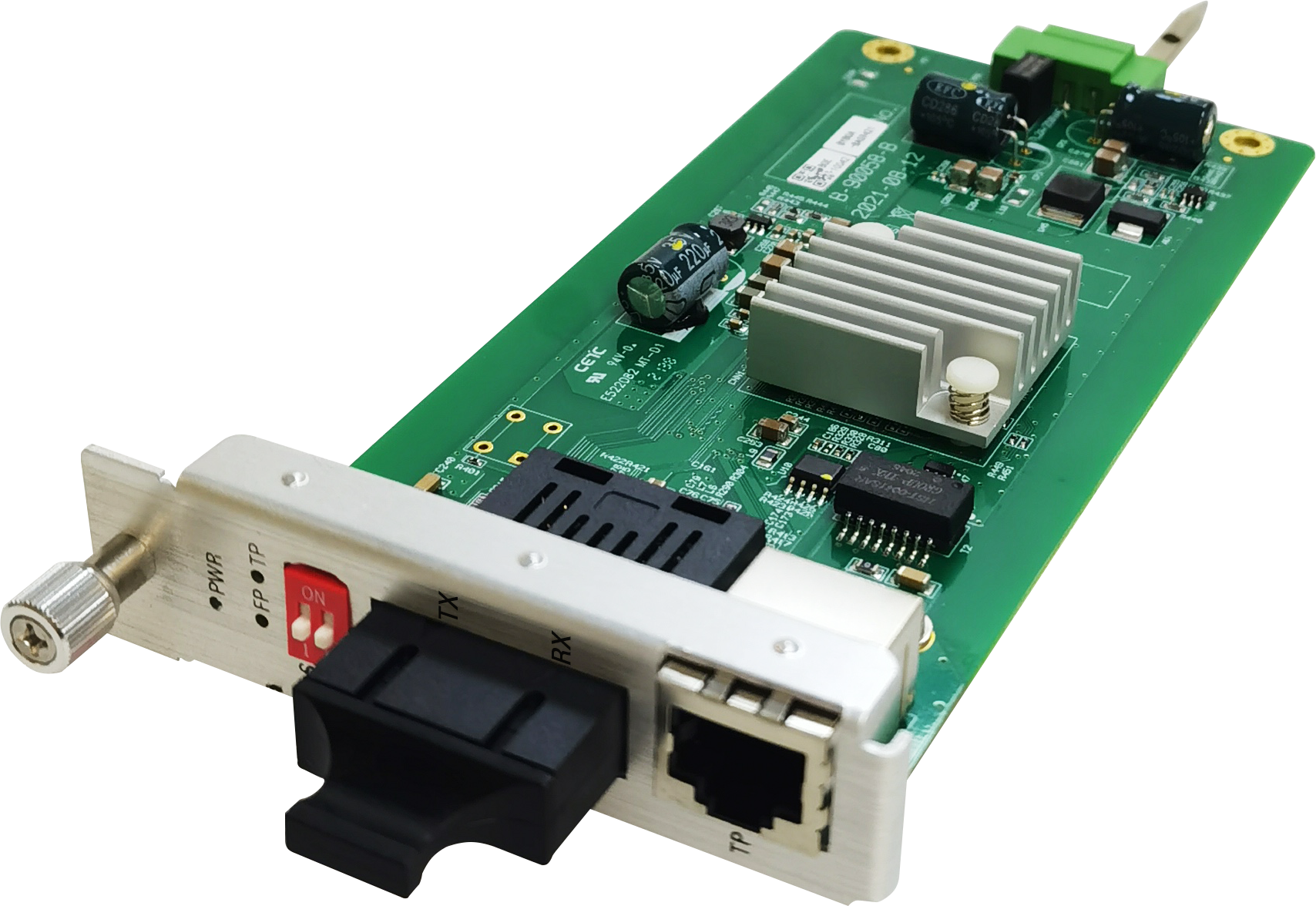
| MSM-A2K0101-M-SC | MSM 2-port unmanaged card-type industrial fiber transceiver: 1 fixed optical (multi-mode, 5 km, SC) + 1×10/100BaseT. Operating temperature -40°C~+75°C. |
| MSM-A2K0101-M-ST | MSM 2-port unmanaged card-type industrial fiber transceiver: 1 fixed optical (multi-mode, 5 km, ST) + 1×10/100BaseT. Operating temperature -40°C~+75°C. |
| MSM-A2K0101-S-SC | MSM 2-port unmanaged card-type industrial fiber transceiver: 1 fixed optical (single-mode, 40 km, SC) + 1×10/100BaseT. Operating temperature -40°C~+75°C. |
Hotline: 86-21-58330762
Zip: 201203
Email: sales@mrdcom.net
Address: No.123 Curie Road, China (Shanghai) Pilot Free Trade Zone




Copyright 2026 MRD Co LTD . All Rights Reserved Shanghai ICP No.12035199


